What to Do After Eating Too Much: A Guide to Finding Comfort and Restoring Balance
rivanritual
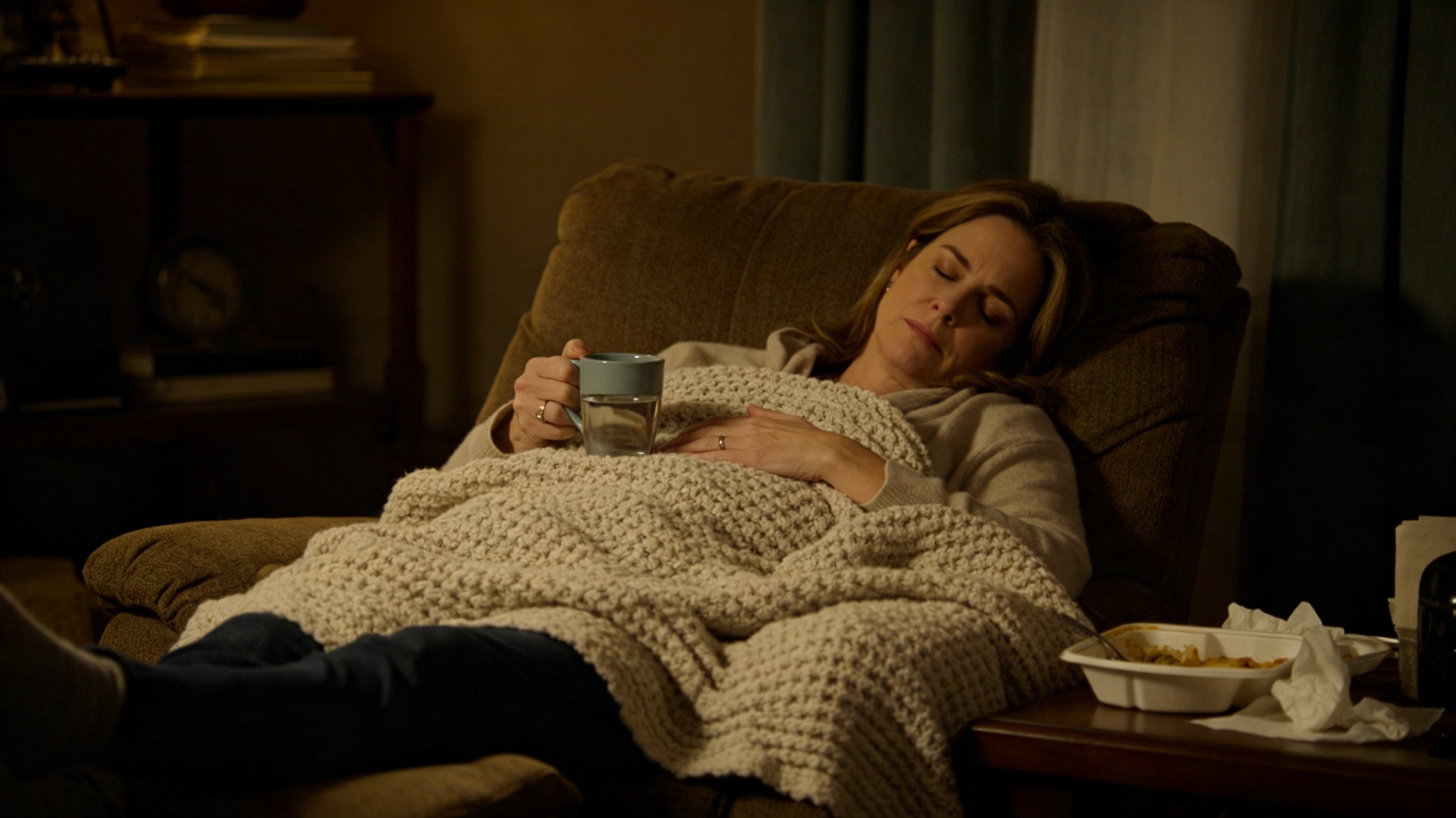
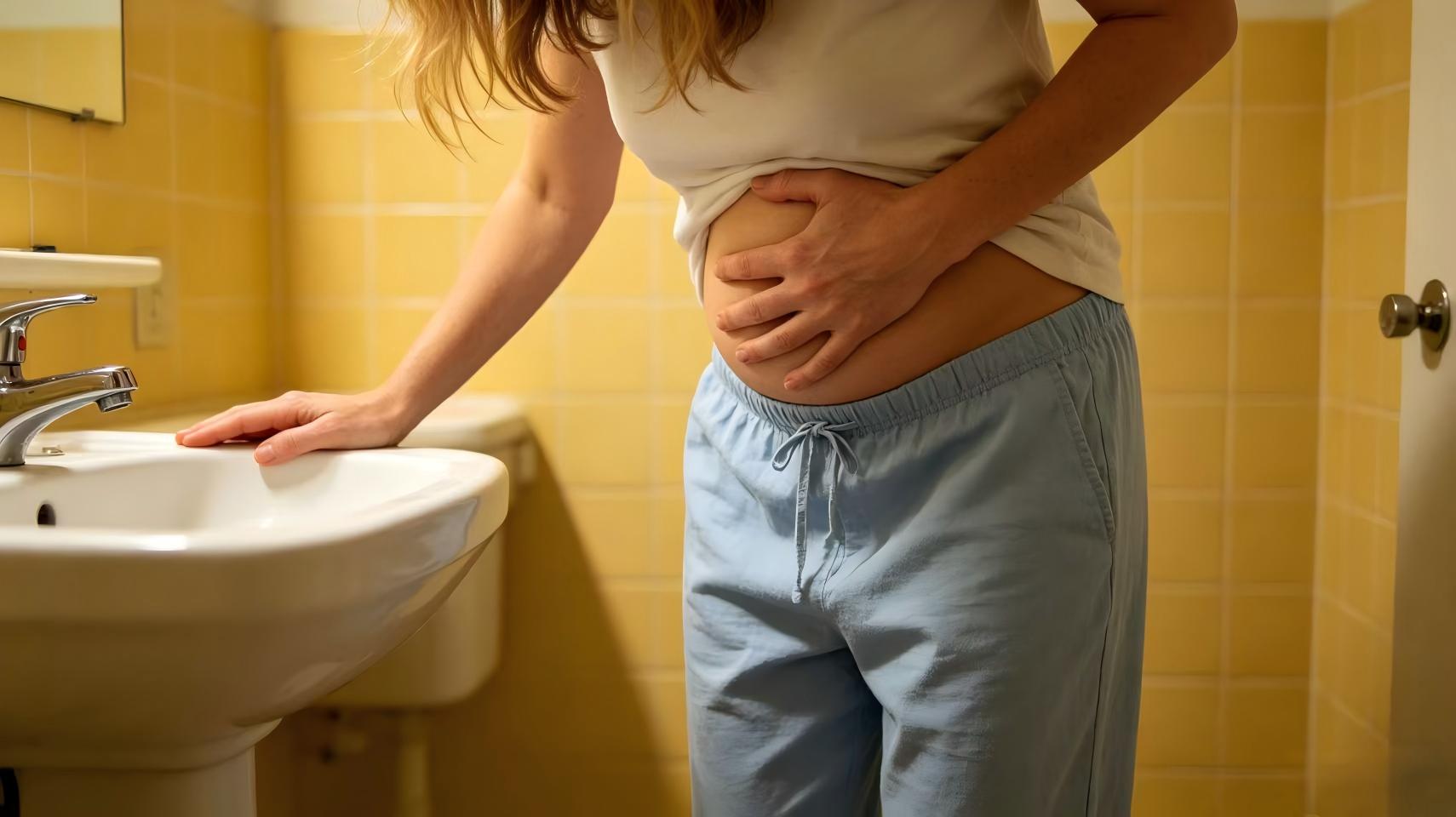
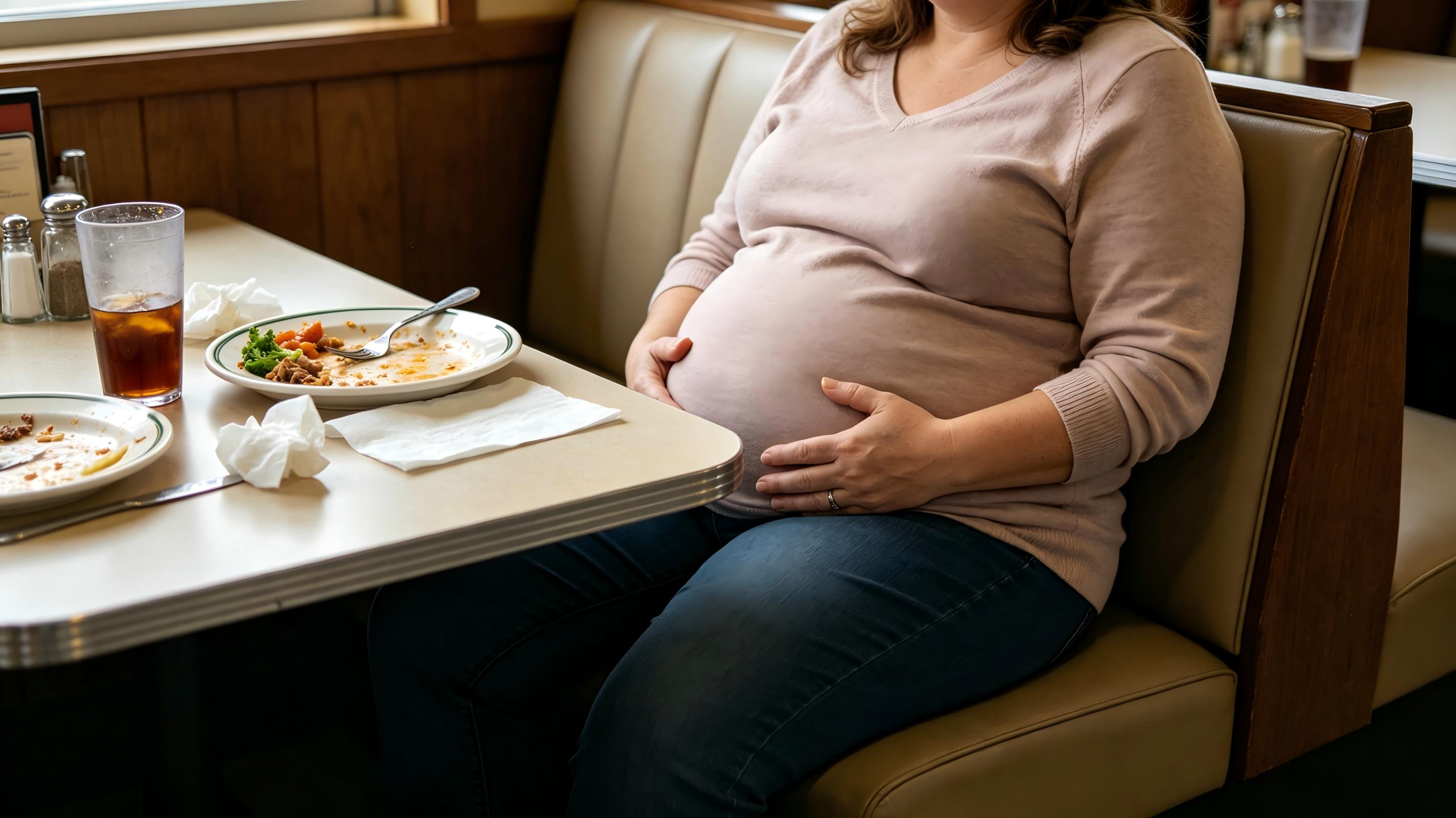
You finished dinner, pushed back from the table, and immediately regretted that last serving. Your stomach feels tight. Your abdomen is stretched. Moving feels like a chore. And the evening ahead suddenly looks much less appealing than it did an hour ago.
If this sounds familiar, you are not alone. Overeating—defined as eating beyond the point of fullness—is something almost everyone experiences from time to time. The good news is that the discomfort is temporary. And there are simple, practical steps you can take right now to feel better.
This guide covers what to do immediately after overeating, how to support your digestion through the evening, and what to do differently next time to prevent the same situation from recurring.
Why Overeating Feels So Uncomfortable
When you eat more than your stomach can comfortably hold, your digestive system becomes overwhelmed. The stomach stretches beyond its normal capacity. Digestion slows down. Gas builds up. And the result is that familiar feeling of heaviness, bloating, and general misery.
The discomfort is not just physical. Overeating can also trigger feelings of guilt or frustration, which only makes the experience worse. Understanding that this happens to everyone—and that it is temporary—is the first step toward feeling better.
What to Do Immediately After Overeating
1. Stay Upright
One of the most important things you can do after a large meal is to remain upright. Lying down immediately after eating slows digestion and can cause food to regurgitate back up, leading to acid reflux symptoms. Sitting upright for at least one to two hours after a meal allows gravity to help move food through your digestive tract.
If you feel the urge to recline, resist it. Stay seated, stand, or walk gently. Your stomach will thank you.
2. Take a Gentle Walk
Light movement is one of the most effective ways to ease post-meal discomfort. A short, gentle walk—around 10 to 15 minutes—helps stimulate digestion, move food through your gastrointestinal tract, and reduce that heavy, full feeling. Walking also helps regulate blood sugar, preventing the post-meal energy crash that often follows a large meal.
The key word here is gentle. This is not the time for a vigorous workout or a run. Overexerting yourself can make discomfort worse. A slow stroll around the block or a few laps around your living room is all you need.
3. Sip Water Gradually
Hydration supports digestion, helps prevent constipation, and reduces stomach discomfort. But the way you drink matters. After a large meal, avoid chugging large amounts of water, as this can make you feel even more full and uncomfortable. Instead, sip water gradually over the course of the evening.
Small, steady sips help your body process the extra load without overwhelming your stomach further.
4. Try Herbal Tea
Warm herbal teas can be particularly soothing after overeating. Ginger, peppermint, and chamomile are known for their ability to ease gas, nausea, and indigestion. These teas act as natural carminatives, helping to relax the digestive tract and support the release of trapped gas.
A warm cup after a heavy meal is not just comforting—it is actively helping your body recover.
5. Avoid Carbonated Drinks
Carbonated beverages introduce gas directly into your digestive system. When you are already feeling full and bloated, the last thing you need is more gas. Stick to still water or herbal tea instead.
6. Be Gentle With Yourself
The guilt and frustration that often follow overeating can be as uncomfortable as the physical symptoms. Remind yourself that one large meal does not define your health. The most important thing you can do is return to your regular eating patterns as soon as possible—not restrict, not punish yourself, simply continue.
What to Do for the Rest of the Evening
Create a Calm, Screen-Free Transition
One of the most effective ways to support your body after overeating is to create a calm transition between dinner and bedtime. Instead of collapsing on the couch or reaching for your phone, consider a few minutes of quiet. Sit upright. Breathe deeply. Allow your body to shift from eating mode to rest mode.
Consider a Post-Meal Ritual
A consistent post-meal ritual can make a significant difference in how you feel after eating. This might include a short walk, a warm cup of herbal tea, or simply sitting quietly for a few minutes before moving on with your evening.
For those moments when you want something warm and grounding, Rivan's post-meal blend combines traditional botanicals like Amomum villosum and aged tangerine peel to support digestive comfort and help you ease into a calm evening.
Explore Rivan's post-meal ritual here
Wait Before Lying Down
If possible, wait at least two to three hours after a large meal before lying down for the night. This gives your stomach enough time to empty and reduces the chance of acid reflux or
discomfort while you sleep.
How to Prevent Overeating in the Future
Eat Slower and Chew Thoroughly
Eating too quickly is one of the most common causes of overeating. When you rush through a meal, you outpace your body's satiety signals. It takes about 20 minutes for your brain to register that you are full. Slowing down gives your body time to send that signal before you have eaten too much.
Use a Fullness Scale
Pay attention to your hunger and fullness cues. Some people find it helpful to use a simple scale—one being starving, ten being stuffed—and aim to stop eating around six or seven. This takes practice, but it becomes easier over time.
Serve Smaller Portions
Start with a smaller portion than you think you need. You can always go back for more if you are still hungry. This simple habit prevents the automatic overeating that happens when a large portion is sitting in front of you.
Eat Regular Meals Throughout the Day
Skipping meals often leads to overeating later in the day. When you arrive at dinner ravenous, you are far more likely to eat past the point of fullness. Eating regular, balanced meals with protein, fiber, and healthy fats helps regulate appetite and prevents that desperate hunger.
Address Emotional Triggers
Sometimes overeating has less to do with hunger and more to do with stress, boredom, or exhaustion. Paying attention to why you are eating—not just what you are eating—can help you break the cycle. Replacing snacking with calming evening routines like stretching, tea, or journaling can be a powerful shift.
When to See a Doctor
Occasional overeating is normal and nothing to be concerned about. But if you regularly eat past the point of discomfort, or if you feel a loss of control around food, it may be worth speaking with a healthcare provider. Persistent overeating can be a sign of underlying issues that benefit from professional support.
A Better Way to End Your Evening
If you are tired of ending your nights feeling heavy and uncomfortable, it might be time to rethink what happens after dinner. A thoughtful post-meal routine can make a real difference. Instead of collapsing on the couch or reaching for your phone, consider creating a small moment of transition. Something that allows your body to digest properly and your mind to unwind.
Start with something simple. A short walk. A warm cup of something soothing. A few minutes of stillness. Small changes often lead to the biggest improvements.
If you are curious about what a curated post-meal ritual looks like, Rivan Ritual offers a blend crafted specifically for this moment.

Learn more about Rivan's post-meal blend here
Continue Reading
If you found this article helpful, you might also enjoy:
Why Am I Bloated After Dinner? – Seven common causes and how to find relief tonight.
Why Do I Feel Bloated Every Night? – Six common causes and how to break the cycle.
What Is a Post-Meal Ritual? – And why it matters more than you think.
Frequently Asked Questions
What should I do immediately after eating too much?
Stay upright, take a gentle 10- to 15-minute walk, sip water gradually, and avoid lying down for at least two to three hours.
Does drinking water help after overeating?
Yes, but sip it gradually rather than drinking large amounts at once. Small sips support digestion without making you feel more full.
What tea is best for digestion after overeating?
Ginger, peppermint, and chamomile teas are known for their ability to ease gas, nausea, and indigestion.
How long should I wait to lie down after a big meal?
Aim to wait at least two to three hours before lying down to allow your stomach time to empty and prevent acid reflux.
Is it normal to feel guilty after overeating?
Yes, and it is important to be gentle with yourself. One large meal does not define your health. Return to your regular eating patterns without punishment or restriction.
Build Your Evening Ritual
Discover how a simple evening ritual can transform the way you feel after meals—and help you find comfort even after the occasional indulgence.
Σχόλιο