-0.png?w=128&h=128)
Why Is My Stomach Bigger After Dinner?
rivanritual
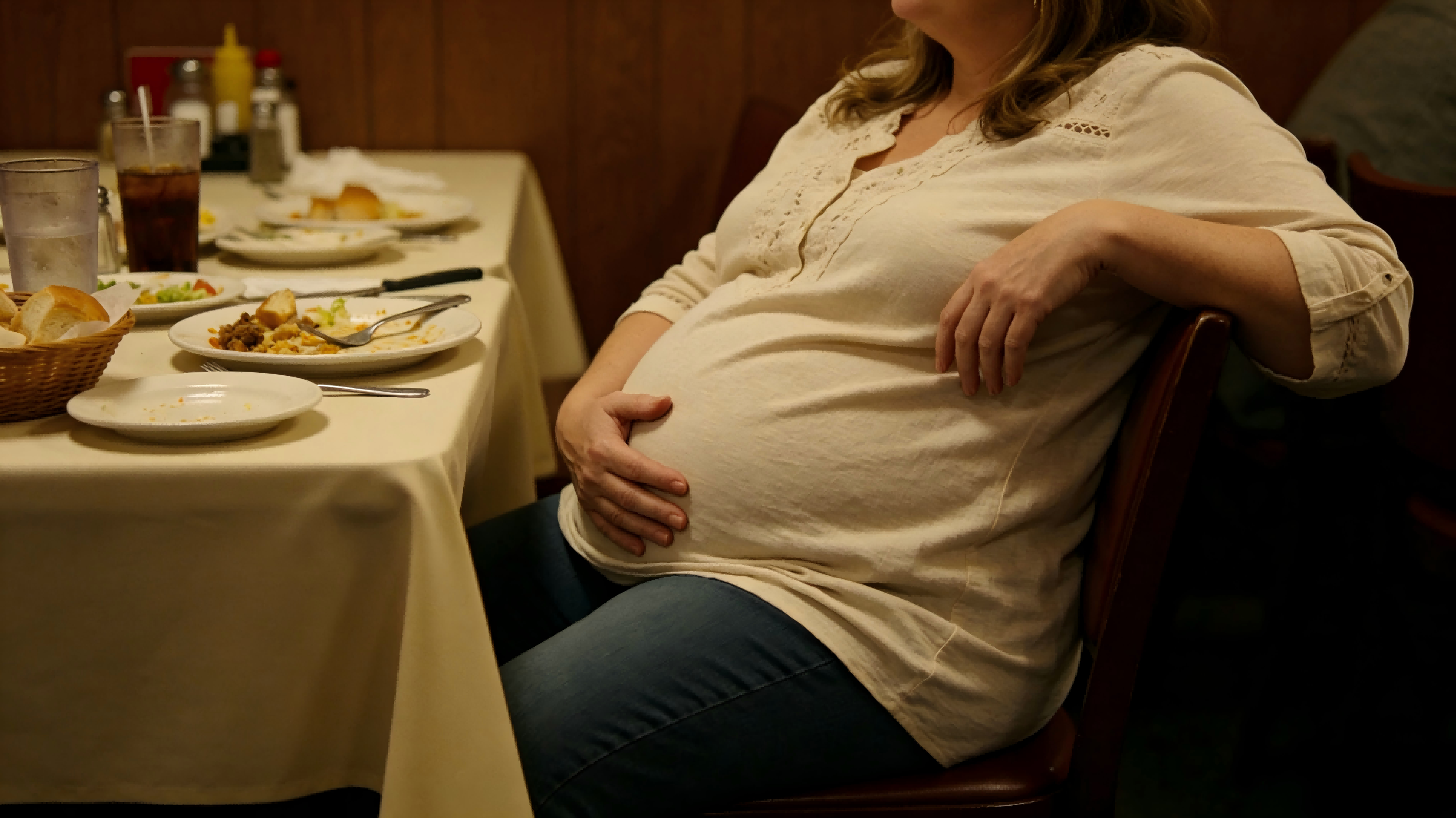
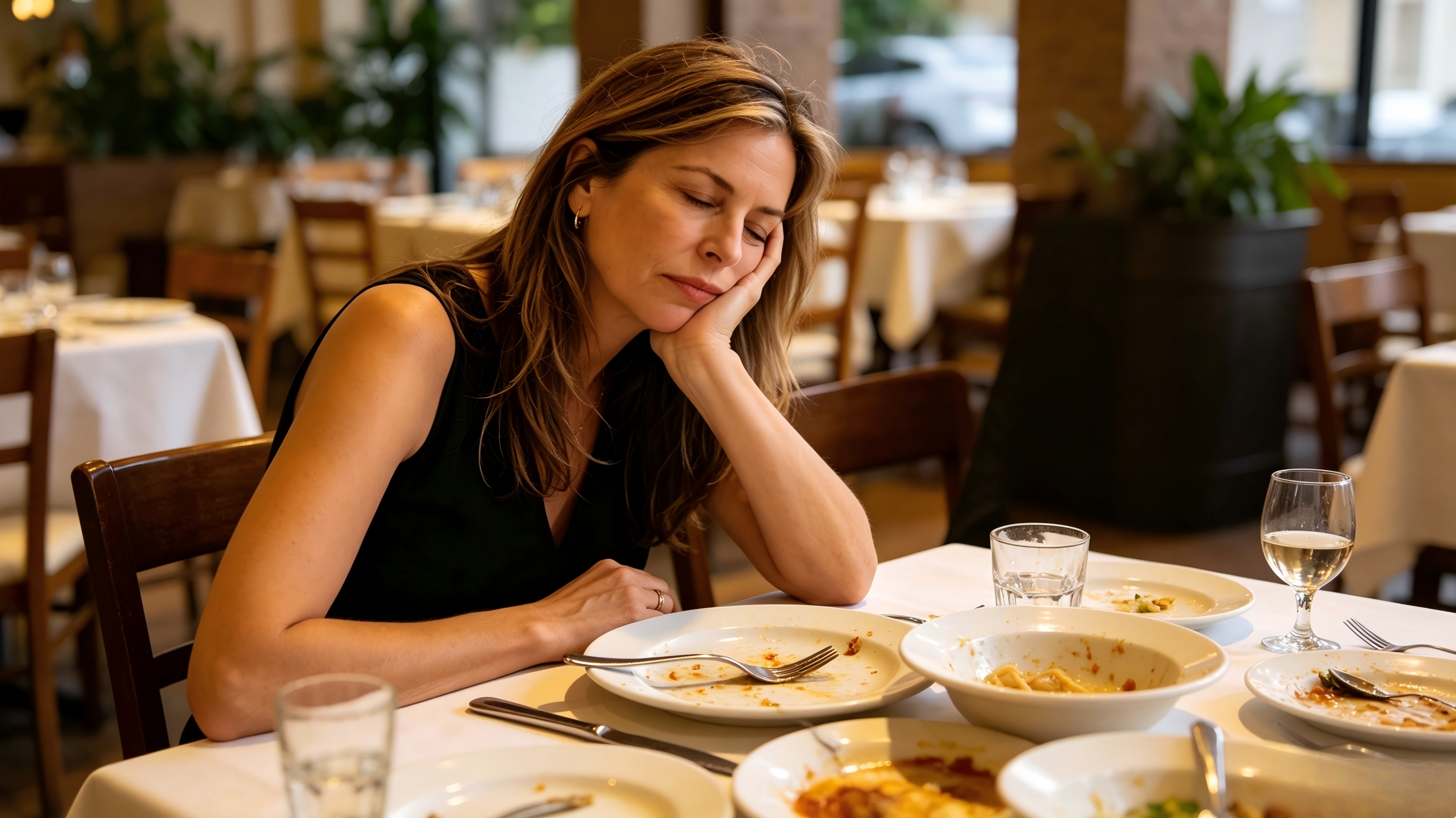
You sit down for dinner feeling fine. You enjoy your meal. And then, an hour later, you look down and notice something unsettling — your stomach looks noticeably larger. The waistband of your pants feels tighter. Your abdomen feels stretched and full.
If this sounds familiar, you are not alone. This experience is surprisingly common. And the good news is that it is usually temporary and completely normal.
Here is what is actually happening inside your body — and what you can do about it.
The Difference Between Bloating and Distension
Before we go any further, it helps to understand two terms that are often used interchangeably but mean slightly different things.
Bloating is the sensation of fullness, tightness, or pressure in your abdomen. It is how you feel.
Abdominal distension is the physical visible increase in the size of your abdomen. It is what you can see.
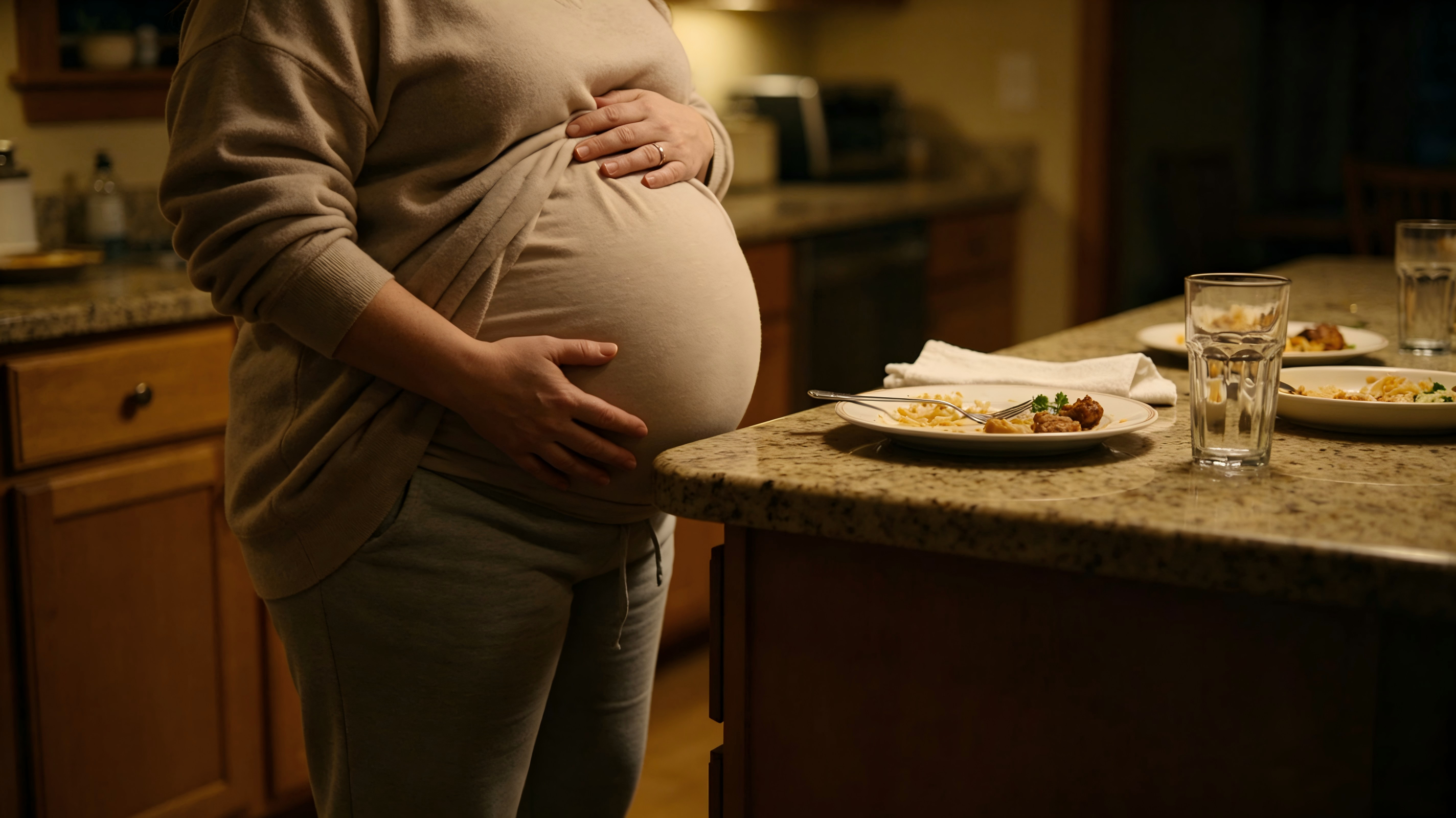
When your stomach looks bigger after dinner, you are experiencing distension. And while it can be uncomfortable, it is important to know that a swollen abdomen caused by eating a heavy meal will go away when you digest the food.
What Actually Happens Inside Your Body
Your stomach is designed to stretch. When empty, it is roughly the size of your fist. But when food enters, it expands to accommodate what you have eaten.
Think of your stomach as a highly elastic balloon. Food comes in, and the stomach stretches. As digestion progresses and food moves into your intestines, the stomach gradually returns to its normal size.
This is a normal, healthy physiological response. The problem arises when the stretching is accompanied by excess gas, fluid retention, or slow digestion — all of which can make the distension more pronounced and more uncomfortable.
Six Common Reasons Your Stomach Looks Bigger After Dinner
1. Overeating
This is the most straightforward cause. When you eat more food than your stomach can comfortably hold, it has no choice but to expand beyond its normal range. Large meals can overwhelm your digestive system, causing food to ferment and produce excess gas.
2. Gas-Producing Foods
Certain foods are notorious for causing gas and bloating. These include beans, broccoli, cabbage, cauliflower, onions, and dairy products. When your body struggles to break down certain carbohydrates and fibers, gut bacteria ferment them instead, producing gas as a byproduct.
3. Swallowing Air
When you eat too quickly, talk while eating, or drink carbonated beverages, you swallow air. This air accumulates in your digestive tract and contributes to that stretched, full feeling. Eating fast also makes it easier to overeat, since your body's satiety signals take about 20 minutes to reach your brain.
4. High-Fat or High-Salt Meals
Meals high in fat take longer to digest, keeping food in your stomach for extended periods. Meals high in salt cause your body to retain water, which can also contribute to that swollen feeling.
5. Food Intolerances
If your digestive system struggles to break down certain foods, gas and bloating often follow. Common culprits include lactose (found in dairy products), gluten (found in wheat and other grains), and certain fermentable carbohydrates called FODMAPs.
6. Lying Down Too Soon
When you lie down right after eating, gravity stops helping move food through your digestive tract. This slows digestion and can trap gas, making distension worse.
When to Be Concerned
Occasional post-meal distension is normal and nothing to worry about. But you should consult a healthcare provider if you experience:
Persistent or severe bloating that does not improve with lifestyle changes
Bloating accompanied by significant pain, unexplained weight loss, or changes in bowel habits
Symptoms that interfere with your daily activities or sleep
These could indicate an underlying condition such as irritable bowel syndrome (IBS), functional dyspepsia, small intestinal bacterial overgrowth (SIBO), or other gastrointestinal disorders.
Nine Ways to Reduce Post-Dinner Distension
1. Eat Slower and Chew Thoroughly
One of the simplest fixes: slow down. Aim for 20–30 chews per bite. This reduces the air you swallow and gives your body time to register fullness before you have eaten too much.
2. Keep Dinner Portions Moderate
Large meals are a major trigger for distension. Keeping dinner portions moderate gives your digestive system a manageable load.
3. Take a Short Walk After Dinner
A gentle 10- to 15-minute walk after dinner can help move food through your digestive system more efficiently. Walking stimulates digestion and helps relieve pressure in the abdomen.
4. Stay Hydrated — But Strategically
Drinking water throughout the day supports healthy digestion. Sipping water before, during, and after meals can help reduce bloating by flushing excess sodium. Avoid chugging large amounts with your meal, as this can dilute digestive enzymes.
5. Identify Your Trigger Foods
Keep a simple food diary. Write down what
you eat and how you feel afterward. Over time, you will notice patterns. If certain foods consistently cause distension, try reducing or removing them for a few days to see if your symptoms improve.
6. Limit Carbonated Drinks
Carbonated beverages introduce gas directly into your digestive system. If you are already feeling full, the last thing you need is more gas.
7. Avoid Lying Down Immediately
Wait at least two to three hours after a large meal before lying down. If you must recline, lying on your left side can help gas move more freely through your digestive tract.
8. Consider a Low-FODMAP Approach
Research shows that a low-FODMAP diet can reduce bloating for some people. FODMAPs are carbohydrates that can be difficult to digest. If you suspect this might be the issue, consider working with a healthcare provider to explore an elimination diet.
9. Build a Post-Dinner Ritual
One of the most effective ways to reduce post-meal distension is to create a simple transition between dinner and the rest of your evening. This could be a short walk, sitting upright for a while, or enjoying a warm cup of something that supports digestion
For those moments when you want something warm and grounding, Rivan's post-meal blend combines traditional botanicals like Amomum villosum and aged tangerine peel to support digestive comfort and help you ease into a calm evening.
👉 Explore Rivan's post-meal ritual here
A Better Way to End Your Evening
If you are tired of ending your nights feeling heavy and uncomfortable, it might be time to rethink what happens after dinner. A thoughtful post-dinner routine can make a real difference. Instead of collapsing on the couch or reaching for your phone, consider creating a small moment of transition. Something that allows your body to digest properly and your mind to unwind.
Start with something simple. A warm cup of something soothing. A few minutes of stillness. A short walk around the block. Small changes often lead to the biggest improvements.
If you are curious about what a curated post-meal ritual looks like, Rivan Ritual offers a blend crafted specifically for this moment.
👉 Learn more about Rivan's post-meal blend here
Continue Reading
If you found this article helpful, you might also enjoy these related posts:
Why Am I Bloated After Dinner? – Seven common causes and how to find relief tonight.
Why Do I Feel Bloated Every Night? – Six common causes and how to break the cycle.
What Is a Post-Meal Ritual? – And why it matters more than you think.
Frequently Asked Questions
Why does my stomach look bigger after dinner?
Your stomach naturally expands to accommodate food. When this stretching is accompanied by gas, fluid retention, or slow digestion, the distension becomes more visible.
Is it normal for my stomach to be bigger at night?
Yes. Your stomach may look flatter in the morning because your body has had time overnight to digest food. As the day progresses and you consume meals, gas can accumulate, leading to visible distension by evening.
How long does post-meal distension last?
A swollen abdomen caused by eating a heavy meal will typically go away once you digest the food — usually within a few hours.
What foods cause the most bloating?
Common gas-producing foods include beans, broccoli, cabbage, cauliflower, onions, dairy products, and carbonated drinks.
What should I drink after dinner to reduce bloating?
Warm herbal teas like peppermint or ginger can soothe your digestive system and help relieve bloating. For a targeted approach, learn more about Rivan's post-meal blend here .
Build Your Evening Ritual
Discover how a simple evening ritual can transform the way you feel after meals — and help you find comfort even when your stomach feels its fullest.
Explore Rivan's post-meal ritual
Σχόλιο