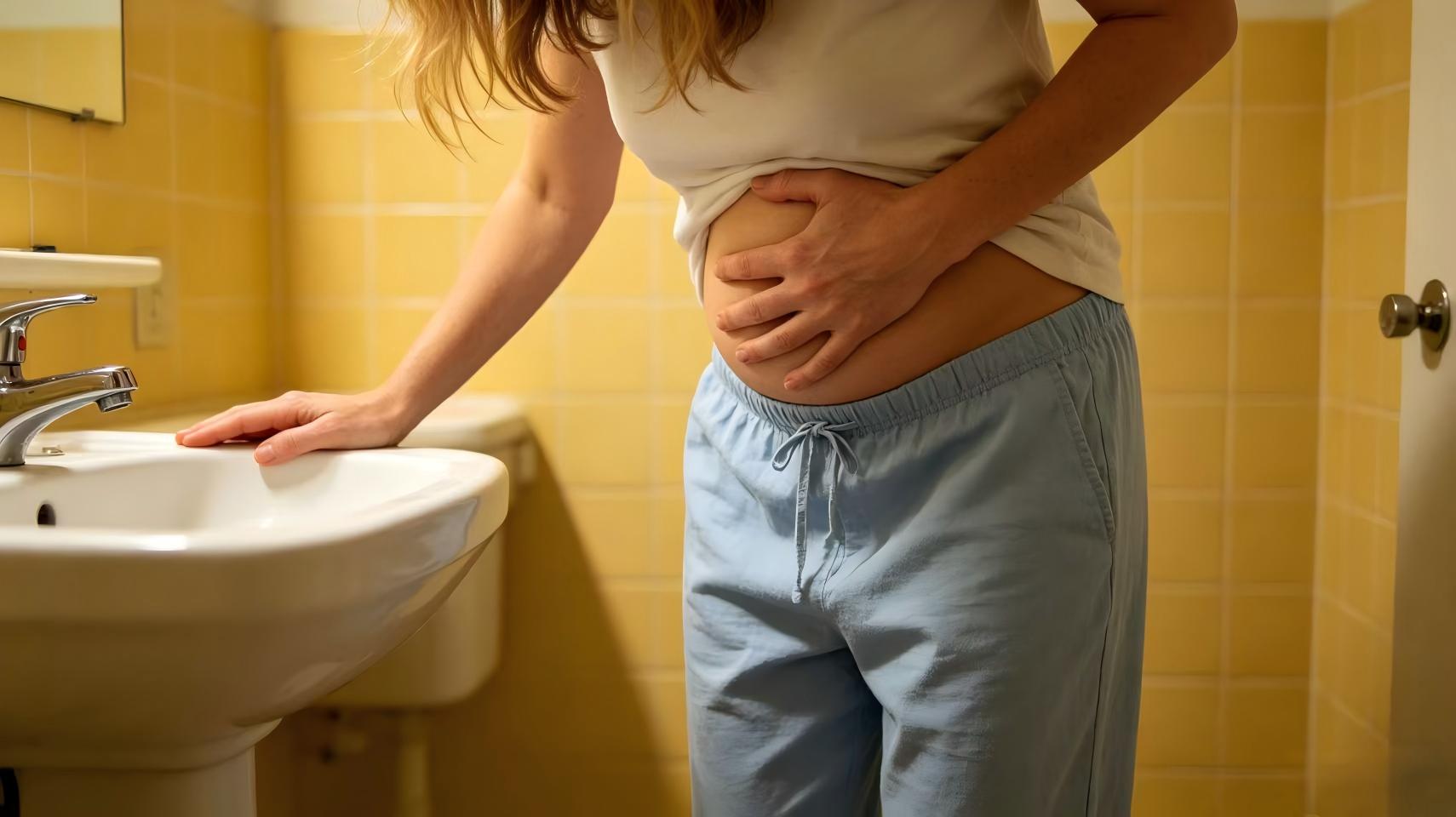
The Complete Guide to Beating Post-Meal Bloating Naturally
rivanritual
That heavy, tight, stretched feeling in your abdomen after a meal is more than just uncomfortable—it can ruin your entire evening. Bloating is incredibly common: nearly one in seven Americans report experiencing it over the course of a week. And while it's normal to feel some fullness after eating, persistent bloating that leaves you feeling miserable is not something you should just accept.
The good news? There are effective, natural ways to beat bloating after eating. From herbs that have been used for centuries to simple lifestyle adjustments, this guide covers everything you need to know about natural remedies for indigestion and how to find relief—starting tonight.
What Exactly Is Bloating After Eating?
Bloating refers to a sense of fullness, tightness, or pressure in the abdomen, often accompanied by visible swelling or distension. It occurs when too much gas builds up in your digestive tract.

While some gas during digestion is normal, excessive bloating that makes you feel uncomfortable night after night is a sign that something in your eating habits or digestive process needs attention. Most cases are manageable once you identify the root cause—and natural remedies can make a significant difference.
Common Causes of Bloating After Eating
Understanding why you bloat is the first step toward beating it. Here are the most common culprits:
1. Eating Too Quickly
When you eat fast, you swallow excess air. You also outpace your body's satiety signals, which can lead to overeating. Most belching is caused by swallowing excess air from eating or drinking too quickly.
2. Gas-Producing Foods
Certain foods are notorious for causing gas and bloating:
Beans, peas, and lentils
Cruciferous vegetables (broccoli, cabbage, cauliflower, kale)
Onions and garlic
Dairy products (for those with lactose sensitivity)
Carbonated drinks
3. High-Fat or High-Sodium Meals
High-fat foods are digested slowly, which can cause food to sit in your gut for longer. High-sodium foods cause water retention, which can also contribute to that swollen feeling.
4. Food Intolerances
If your digestive system struggles to break down certain foods—like lactose, gluten, or FODMAPs—gas and bloating are often the result.
5. Constipation
The longer food waste remains in your colon, the more time it has to ferment, producing gas.
6. Swallowing Air
Chewing gum, sucking on hard candies, drinking through a straw, or smoking can all cause you to swallow excess air.
The Best Herbs for Bloating: Natural Remedies That Work
For centuries, herbs have been used in traditional medicine to support digestion. Modern science is now beginning to back up these age-old remedies. Here are the most effective herbs for bloating and how to use them.

1. Peppermint
Peppermint is one of the best-known herbs for easing digestive distress. Its active compound, menthol, relaxes the muscles of the gut, helping to reduce bloating, gas, and abdominal pain. Clinical trials show that peppermint oil capsules can relieve IBS symptoms.
Peppermint tea is a gentler option that offers similar benefits. Sip a cup after meals to soothe your digestive system.
2. Ginger
Ginger is a warming herb that powerfully stimulates digestion. Research suggests that gingerols and shogaols in ginger help relieve bloating and digestive issues by emptying your stomach more quickly and maintaining normal contractions that move food through the digestive tract.
Ginger has been shown to help with abdominal pain and bloating, especially when consumed around mealtime. Drink ginger tea before or during a big meal to improve digestive health and prevent indigestion.
3. Fennel
Fennel seeds are a classic carminative—an herb that helps relieve gas and bloating. They have long been consumed after meals to promote digestion and prevent flatulence.
Fennel is traditionally chewed after meals in many cultures to aid digestion. You can also steep a teaspoon of fennel seeds in hot water for 10 minutes and drink it after meals to ease digestion and reduce that bloated feeling.
4. Chamomile
Chamomile is famous for its calming effects and may also soothe the digestive system. It has long been used to ease indigestion, gas, stomach upset, and gut irritation.
Chamomile tea is one of the world's most popular herbal drinks, with about a million cups consumed each day. Sip it after dinner to relax both your mind and your digestive tract.
5. Cardamom
Cardamom is another warming herb that herbalists frequently recommend for post-meal bloating. Like other carminatives, it helps relax muscles in the digestive tract to relieve gas and bloating.
6. Digestive Bitters
Sometimes, chronic bloating can be caused by low stomach acid. If antacids never work for you, this could be why. Digestive bitters—such as gentian, artichoke leaf, dandelion root, and burdock root—help stimulate natural digestive processes, which enhances absorption, eases gas and bloating,
and encourages normal motility.
You can incorporate bitter vegetables (like arugula, broccoli rabe, or mustard greens) into your meals for extra support.
7. Turmeric
Turmeric has been shown to soothe digestion and promote a healthy gut microbiome, in addition to having anti-inflammatory properties. Combined with ginger and fennel, it may significantly reduce after-meal bloating, gas, and abdominal pain.
Other Natural Remedies for Indigestion
Beyond herbs, there are several other natural remedies for indigestion that can help you beat bloating after eating.
1. Take a Short Walk After Eating
A 10- to 15-minute walk after a meal can make a significant difference. A 2021 study found that people who took a short walk after eating reported less bloating. Walking helps move gas through your digestive tract and stimulates digestion.
2. Drink Warm Water or Herbal Tea
Drinking warm water, herbal teas, or green juices after you eat can help reduce inflammation, improve gut health, and aid absorption. Mayo Clinic recommends peppermint, chamomile, or ginger tea after meals, which can help promote digestion and soothe your gut.
3. Eat Slowly and Chew Thoroughly
Eating slowly can help reduce bloating by reducing the amount of air you swallow. Sit down during your main meals, concentrate on the sensation of eating, and chew each bite thoroughly.
4. Eat Smaller, More Frequent Meals
Instead of eating large meals, eat smaller portions more frequently throughout the day. This helps prevent the blood sugar spikes and digestive overload that lead to bloating.
5. Stay Hydrated
Drink plenty of water throughout the day to aid digestion and prevent constipation, which can contribute to bloating. Drinking adequate fluids helps move fiber throughout the digestive tract.
6. Identify Your Trigger Foods
Keep a food diary to track which meals leave you feeling bloated. Try removing one potential trigger at a time to see if your symptoms improve.
When to See a Doctor
Occasional bloating after eating is normal and nothing to worry about. But you should consult a healthcare provider if you experience:
Persistent or severe bloating that doesn't improve with lifestyle changes
Bloating accompanied by significant pain, unexplained weight loss, or changes in bowel habits
Symptoms that interfere with your daily activities or sleep
These could indicate an underlying condition such as irritable bowel syndrome (IBS), food intolerances, or other gastrointestinal disorders.
A Better Way to End Your Meal
If you're tired of ending your meals feeling heavy, tight, and uncomfortable, it might be time to rethink what happens after you eat. A thoughtful post-meal ritual can make all the difference.
Instead of collapsing on the couch or reaching for your phone, consider creating a small moment of transition—one that allows your body to digest properly and your mind to unwind. Start with something simple: a warm cup of something soothing after dinner.
For those moments when you want a digestive aid for heavy meals, Rivan's post-meal blend combines traditional botanicals like Amomum villosum and aged tangerine peel to support digestive comfort and help you ease into a calm evening.
👉 Explore Rivan's post-meal ritual here
Continue Reading
If you found this article helpful, you might also enjoy these related posts:
Why Am I Bloated After Dinner? – Seven common causes and how to find relief tonight.
Why Do I Feel Bloated Every Night? – Six common causes and how to break the cycle.
What Is a Post-Meal Ritual? – And why it matters more than you think.
Frequently Asked Questions
What helps with gas after eating?
Herbal teas like peppermint, ginger, and fennel can help relax your digestive system and reduce bloating. A short walk after eating also helps move gas through your digestive tract.
What are the best herbs for bloating?
Peppermint, ginger, fennel, chamomile, and cardamom are among the most effective herbs for bloating. They work by relaxing the muscles of the gut and promoting healthy digestion.
What natural remedies for indigestion actually work?
Digestive bitters, ginger tea, fennel seeds, and a short walk after eating are all effective natural remedies for indigestion.
What should I drink after a heavy meal for digestion?
Warm ginger tea, peppermint tea, or fennel tea can help soothe your digestive system and relieve bloating.
How long should I wait to lie down after eating?
Wait at least two to three hours after a heavy meal before lying down to allow your stomach time to empty.
Build Your Evening Ritual
Discover how a simple post-meal ritual can help you beat bloating naturally and create more intentional evenings.
Comentario