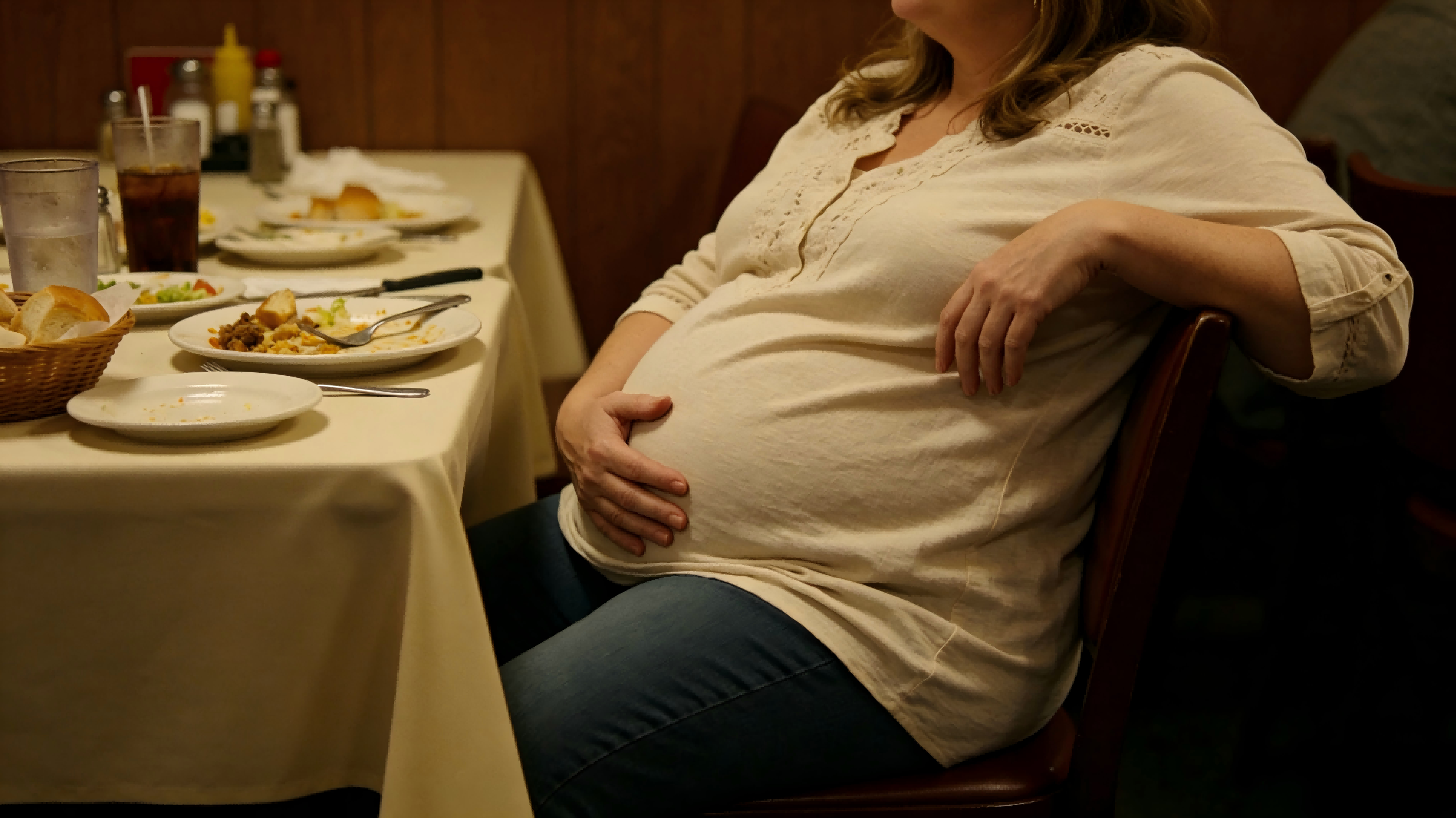
-0.png?w=128&h=128)
Why Do I Feel Sleepy After Eating? Causes, Solutions, and What to Do After Meals
rivanritual
There’s a specific kind of tiredness that arrives after eating.
Not the kind that comes from a long day or too little sleep. This one feels different. Heavier. Slower. Almost immediate.
You finish a meal, settle back into your chair, and suddenly all you want to do is lie down. Your energy dips. Your focus softens. Everything feels a little slower than it did thirty minutes ago.
If you’ve ever wondered why you feel sleepy after eating, you’re far from alone.
Post-meal sleepiness is surprisingly common, especially after larger meals or evening dinners. For many people, it happens occasionally. For others, it becomes part of a daily pattern.
The good news is that feeling sleepy after eating usually comes down to a few common factors—what you ate, how much you ate, and what your body is doing during digestion.
Understanding what’s happening can make those after-meal energy crashes feel much easier to navigate.
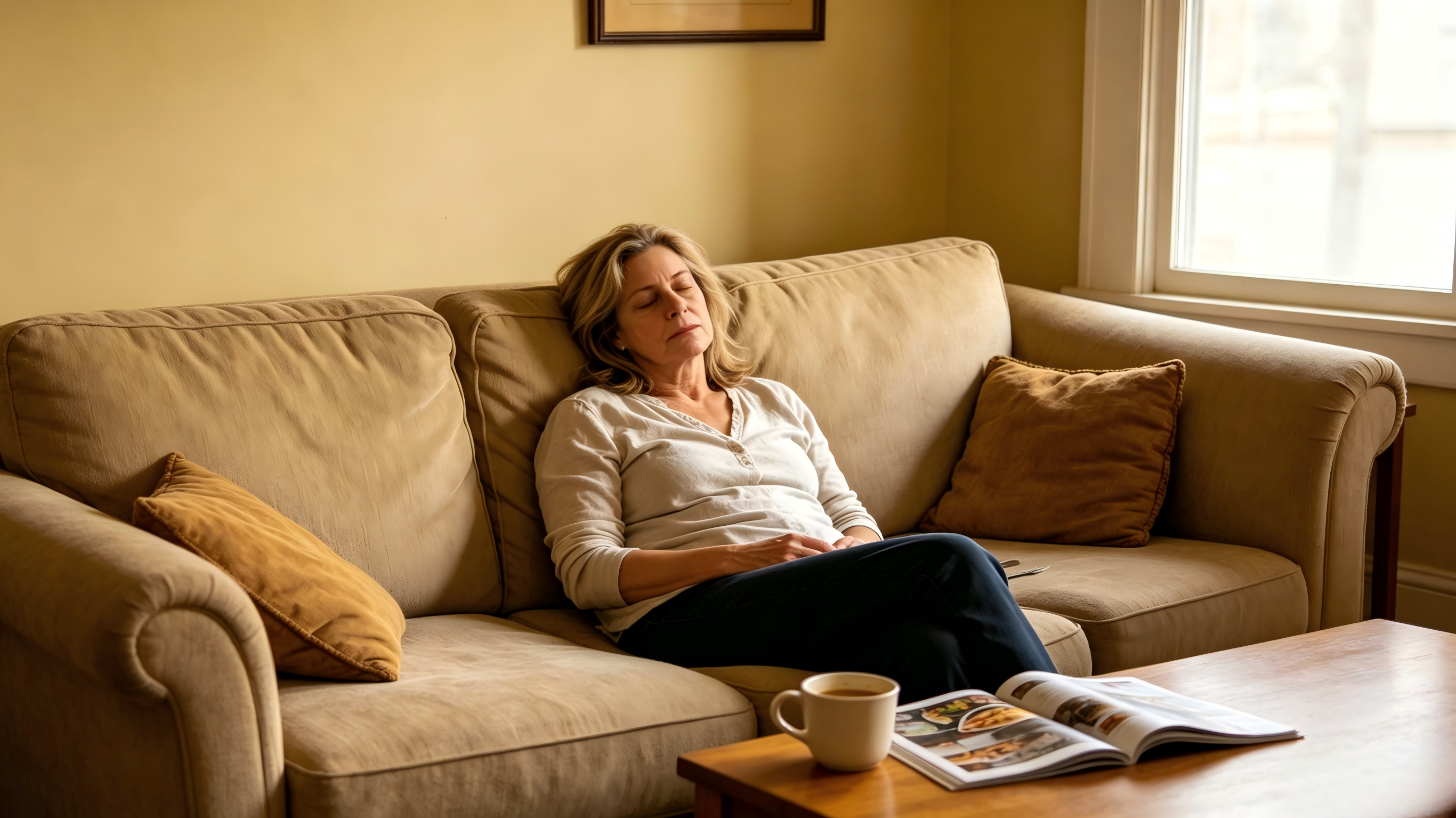
Why do I feel sleepy after eating?
The short answer is simple: after eating, your body shifts into a different state.
Digestion requires energy. Once you finish a meal, your body begins breaking food down, absorbing nutrients, and redirecting resources toward digestion. That shift can naturally make you feel slower, calmer, and more tired.
In many cases, mild sleepiness after eating is completely normal.
That said, some meals make the effect much stronger than others. Large portions, heavy meals, and certain foods can make post-meal fatigue feel especially noticeable.
If you regularly feel sleepy after eating, there are usually a few key reasons behind it.
Large meals can make you feel tired
One of the most common reasons people feel sleepy after eating is simply eating too much at once.
Large meals often leave people feeling physically heavy and mentally sluggish. The more substantial the meal, the more work your body has to do afterward.
Think about how you feel after a lighter dinner versus a large holiday meal.
The difference is usually obvious.
Bigger meals often create a stronger sense of fullness, heaviness, and fatigue. This can make sleepiness feel almost unavoidable, especially if you eat quickly or beyond the point of comfortable fullness.
Heavy foods can slow you down
Certain meals naturally feel heavier than others.
Rich foods, fried foods, creamy dishes, and meals high in refined carbohydrates often leave people feeling more tired afterward.
That doesn’t mean these foods are inherently bad. It simply means some meals create a stronger “slow down” effect than others.
Meals that feel indulgent or particularly rich can often be followed by noticeable fatigue.
Many people especially notice this after:
Pasta-heavy meals
Fried food
Large takeout dinners
Desserts or sugary snacks
Late-night comfort meals
The heavier the meal feels, the more likely you are to notice a post-meal energy dip.
Carbohydrates can contribute to post-meal fatigue
Carbohydrate-rich meals are another common factor.
Meals with lots of bread, rice, pasta, or sugary foods can sometimes lead to feeling sleepy soon after eating.
This often feels like an energy spike followed by a noticeable crash.
You may feel fine while eating—or immediately after—but 30 to 90 minutes later, your energy drops.
This can feel like:
Brain fog
Low motivation
Difficulty focusing
Sleepiness
A strong desire to rest
For many people, this pattern feels especially familiar after lunch or dinner.
Your natural body clock matters too
Sometimes the meal isn’t the only factor.
Your natural circadian rhythm also plays a major role in energy levels.
Most people experience predictable dips in alertness throughout the day, especially in the afternoon and later evening.
That means eating during one of these natural low-energy windows can amplify sleepiness.
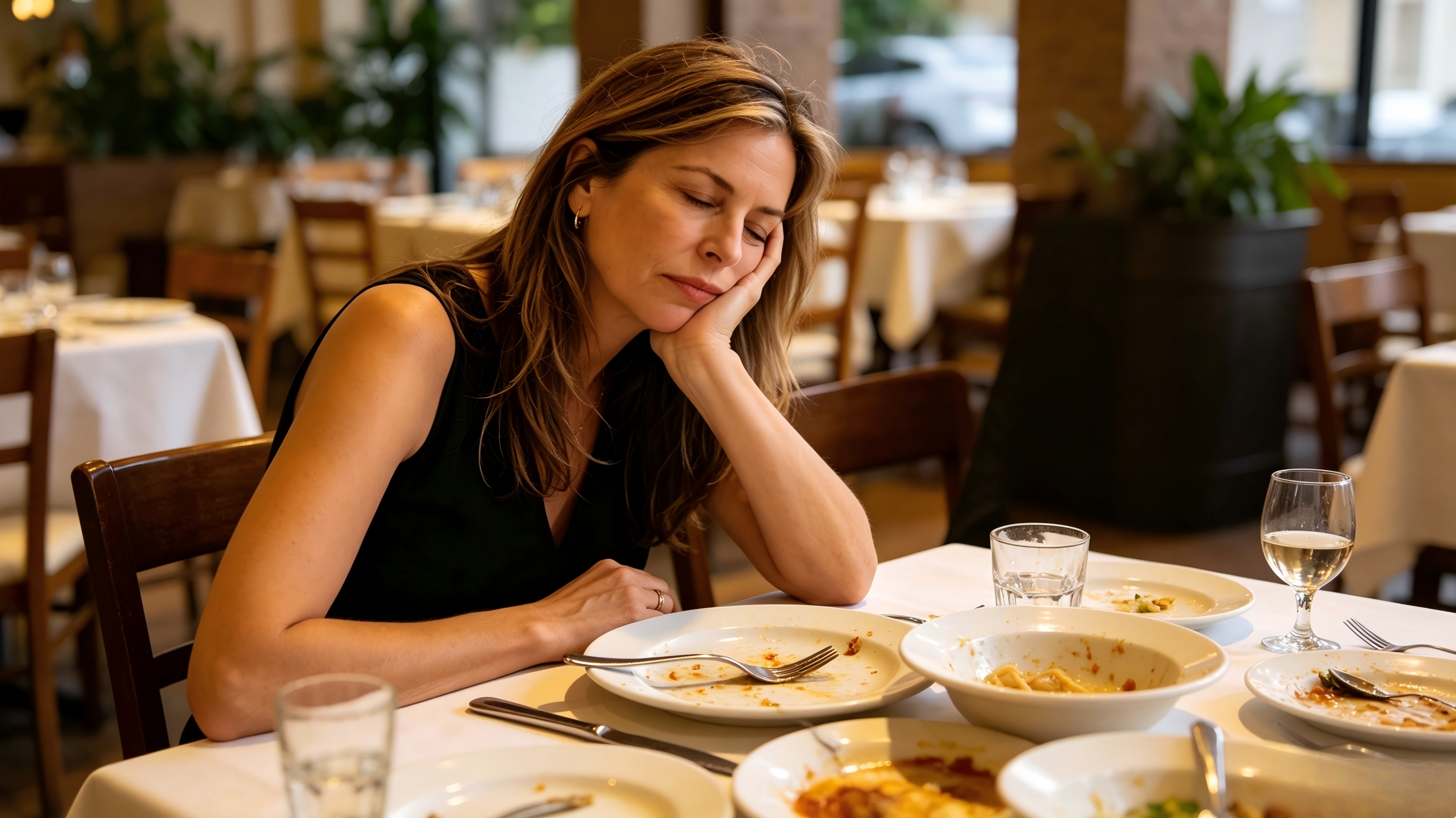
For example, if you already tend to feel tired around 2 p.m. or 8 p.m., eating a large meal during those times can make that fatigue feel much stronger.
In other words, it may not be just the food.
It may be the timing too.
Poor sleep can make post-meal fatigue worse
Sometimes meals reveal what your body was already feeling.
If you’re under-rested, stressed, or mentally drained, eating can make existing fatigue more noticeable.
Many people blame the meal itself when the bigger issue is cumulative exhaustion.
You might notice stronger sleepiness after eating if you’ve had:
Poor sleep
A stressful workday
Long hours without breaks
Mental burnout
Low overall energy
In those cases, the meal may simply magnify the tiredness that was already there.
Why do I feel sleepy after eating dinner?
Sleepiness after dinner is especially common.
Part of that is simple: dinner usually happens later in the day, when energy naturally starts declining.
By evening, many people are already carrying physical fatigue, mental fatigue, or both.
Dinner also tends to be the largest meal of the day for many households.
That combination—lower energy plus a heavier meal—can make
post-dinner sleepiness feel much more intense.
This is why many people feel especially tired after:
Late dinners
Large dinners
Rich restaurant meals
Celebratory meals
Heavy comfort foods
A sleepy feeling after dinner is often your body signaling that it’s time to slow down.
What can I do if I feel sleepy after eating?
If you feel sleepy after meals, the goal isn’t necessarily to avoid tiredness completely.
Instead, focus on supporting a smoother transition after eating.
Small adjustments can make a noticeable difference.
Go for a short walk
One of the simplest things you can do after eating is move a little.
You don’t need intense exercise. Even a gentle 5–15 minute walk can help you feel more refreshed after a meal.
A short walk creates a sense of lightness and often helps reduce that heavy, sluggish feeling.
This is especially helpful after dinner.
Avoid lying down immediately
It can be tempting to move straight from the dinner table to the couch or bed.
But lying down immediately after eating often makes heaviness feel worse.
Even sitting upright, walking slowly, or staying lightly active can feel better than reclining right away.
If you’re feeling especially heavy after meals, you may also like reading our guide on what to do after eating too much.
Eat more slowly
Fast eating often leads to overeating before your body fully registers fullness.
That can make post-meal fatigue significantly worse.
Eating more slowly changes the experience of the meal.
It often leads to better portion awareness and less heaviness afterward.
Pause between bites. Slow the pace. Let the meal feel intentional.
Smaller portions may help
If you consistently feel exhausted after meals, portion size may be worth paying attention to.
You may notice that lighter meals leave you feeling more balanced than larger ones.
This doesn’t mean restrictive eating.
It simply means finding a level of fullness that feels satisfying without tipping into heaviness.
How can I prevent feeling sleepy after eating?
Prevention usually starts before the meal.
The goal is to create more balanced meals and better after-meal habits.
A few simple shifts can help.
Try building meals with more balance
Meals that feel more balanced often create steadier energy afterward.
Rather than very heavy meals or meals centered mostly around refined carbs, aim for meals that feel satisfying without overwhelming you.
Balance often feels better than extremes.
Pay attention to timing
Late-night eating or long stretches without food can affect how you feel after meals.
Large meals after prolonged hunger often lead to eating too quickly and feeling overly full.
More consistent meal timing can help reduce extreme energy swings.
Support your evenings intentionally

This is where many people overlook the real opportunity.
The meal matters—but what happens after the meal matters too.
Most people treat the time after dinner passively.
They move from eating straight into work, screens, or collapsing on the couch.
But evenings often feel better with intention.
A calmer, more thoughtful transition after dinner can completely change how the rest of the night feels.
Instead of viewing post-meal discomfort as something to push through, it can help to think of it differently.
It may be a signal to slow down, reset, and create space between dinner and the rest of your evening.
That’s where ritual becomes powerful.
A better evening doesn’t always start with eating differently.
Sometimes it starts with what you do after.
A short walk. A slower pace. A moment of pause. A more intentional transition into the night.
At RivanRitual, we believe the hours after dinner deserve more attention.
Not just as downtime, but as a ritual.
A modern post-meal ritual can help transform the way evenings feel—less rushed, less heavy, and more intentional.
Explore [RivanRitual’s Post-Meal Ritual Collection] to create a more elevated evening routine
FAQ
Is it normal to feel sleepy after eating?
Yes. Mild sleepiness after eating is common, especially after large or heavy meals. Digestion naturally shifts the body into a calmer state, which can make you feel tired.
Why do I get sleepy after eating carbs?
Carbohydrate-heavy meals can sometimes lead to energy crashes after eating, especially if the meal is large or includes refined carbs.
Why do I feel extremely tired after eating dinner?
Dinner often happens when energy is already naturally lower. If dinner is also large or heavy, sleepiness may feel more noticeable.
Should I sleep after eating?
It’s usually better to avoid lying down immediately after eating. A short walk or staying upright for a while often feels more comfortable.
Does walking after eating help with sleepiness?
Yes, for many people it does. A gentle walk after eating can help reduce heaviness and improve how you feel after meals.
Komentar