
The Complete Guide to Botanical Traditions in Everyday Life
rivanritual
Botanical traditions have shaped human civilization for thousands of years. Long before modern medicine, before supermarkets, before the convenience of a capsule or a pill, people turned to plants for daily rituals—for healing, for connection, for marking the transitions of the day.
From the morning tea that starts a day in Japan to the evening infusion that ends one in Morocco, herbal rituals have been woven into the fabric of everyday life across every culture on earth.
This guide explores why botanicals became part of daily rituals, how different cultures have used plants in everyday life, and how you can bring these ancient botanical traditions into your own modern routine.
Why Botanicals Have Long Been Part of Everyday Rituals
Plants have always been more than food. They have been medicine, symbol, social lubricant, and spiritual tool.
In ancient China, herbal traditions were codified in texts like the Shennong Bencao Jing (Divine Farmer's Materia Medica), which documented hundreds of botanicals for daily health over two thousand years ago. In India, the Ayurvedic tradition built entire systems of wellness around daily botanical rituals—from the morning sip of warm water with spices to the evening cup of calming herbs.
In Europe, domestic botanical culture flourished in household gardens where families grew herbs for everyday rituals. In the Americas, Indigenous peoples developed rich ethnobotanical knowledge, using native plants for daily life. Among the most treasured are tobacco, cedar, sage, and sweetgrass—plants used for healing, ceremony, and as threads of connection linking past to present.
What drove this universal human pattern?
Three forces explain why botanicals became part of everyday rituals across cultures:
1. Accessibility. Plants grow. They are the original renewable resource. Unlike metals or stones that required mining, or spices that required trade, the herbs for daily rituals grew in backyard gardens, along riverbanks, and in forest clearings.
2. Efficacy. People observed. When someone chewed fennel seeds after a meal and their bloating subsided, that knowledge was passed down. When someone drank chamomile tea and slept better, that became tradition. Botanical traditions are built on generations of observation.
3. Meaning. Plants carry symbolism. Rosemary for remembrance. Chrysanthemum for longevity. Osmanthus for hospitality. These meanings transformed plant rituals from mere practice into cultural expression.
The result? A global tapestry of herbal traditions that has survived empires, industrialization, and the rise of modern medicine—not because people didn't have alternatives, but because these plant rituals offered something alternatives couldn't: presence, connection, and a pause.
The Connection Between Meals and Botanicals Across Cultures
Perhaps nowhere is the role of botanicals in daily rituals more visible than at the table. Across virtually every culture, meals and botanicals share an intimate connection.
China: The Art of Post-Meal Herbal Traditions
In Chinese culture, the meal doesn't end when the last dish is cleared. It ends with tea—or, more traditionally, with a warm herbal infusion designed to aid digestion and transition the body from eating to resting.
Chenpi (dried tangerine peel) has been a staple of Chinese herbal traditions for centuries. Aged for years, sometimes decades, this humble citrus peel transforms into a digestive aid prized for its ability to ease post-meal discomfort. Known for its health benefits, Chenpi is praised for its anti-inflammatory, liver-protective, and anti-aging properties. Families would preserve their own chenpi, passing down the knowledge of how to dry, store, and use it through generations.
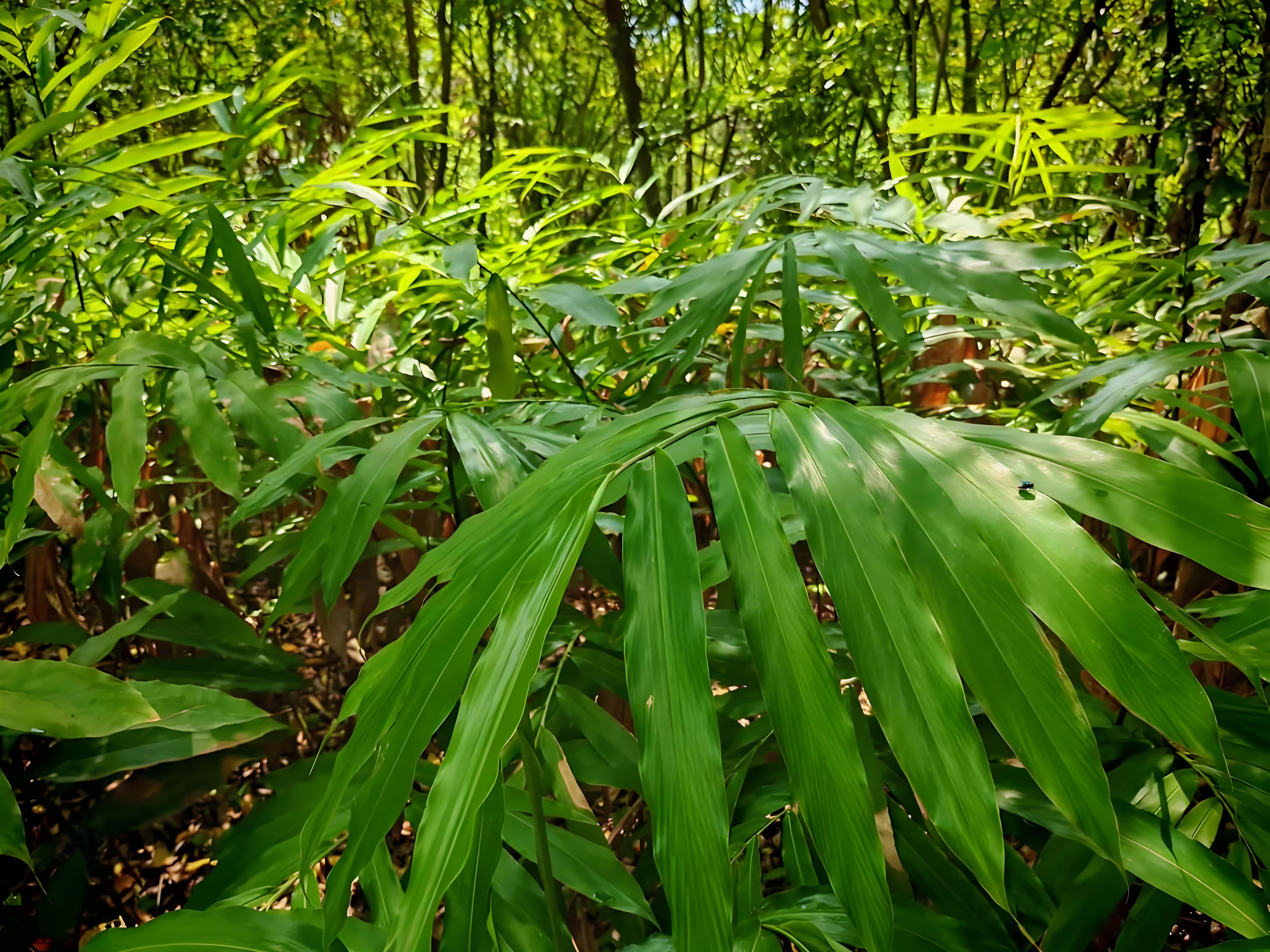
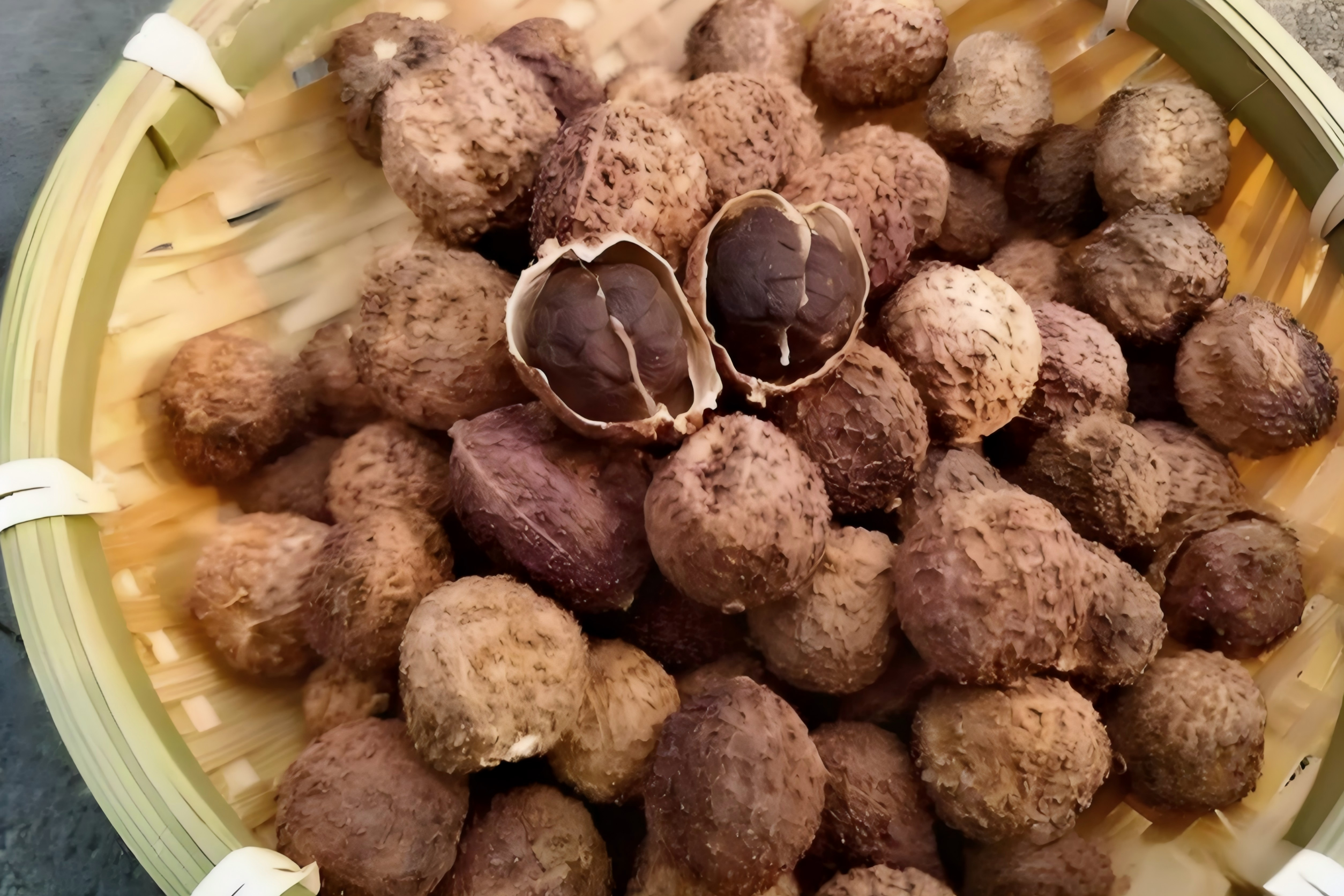
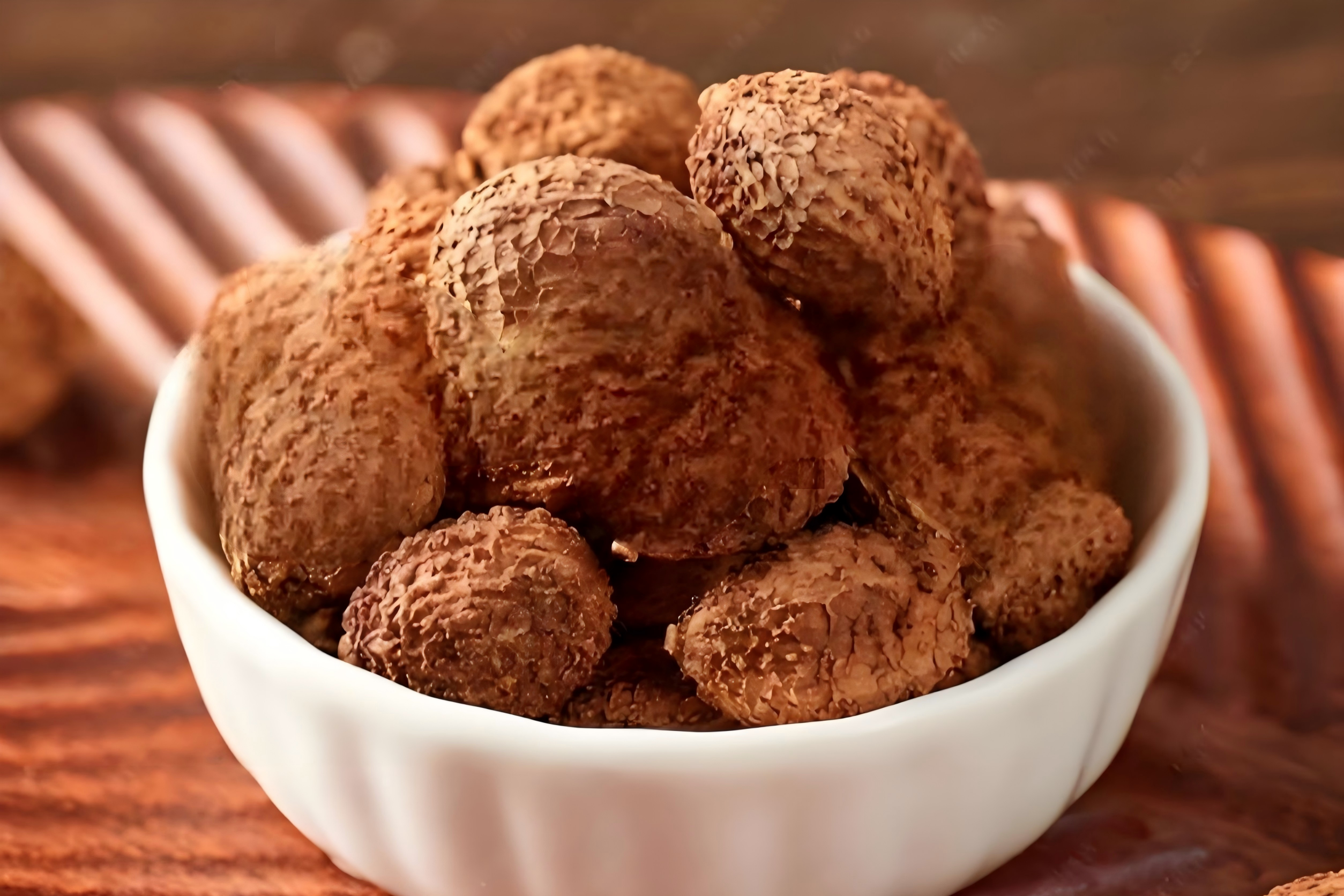
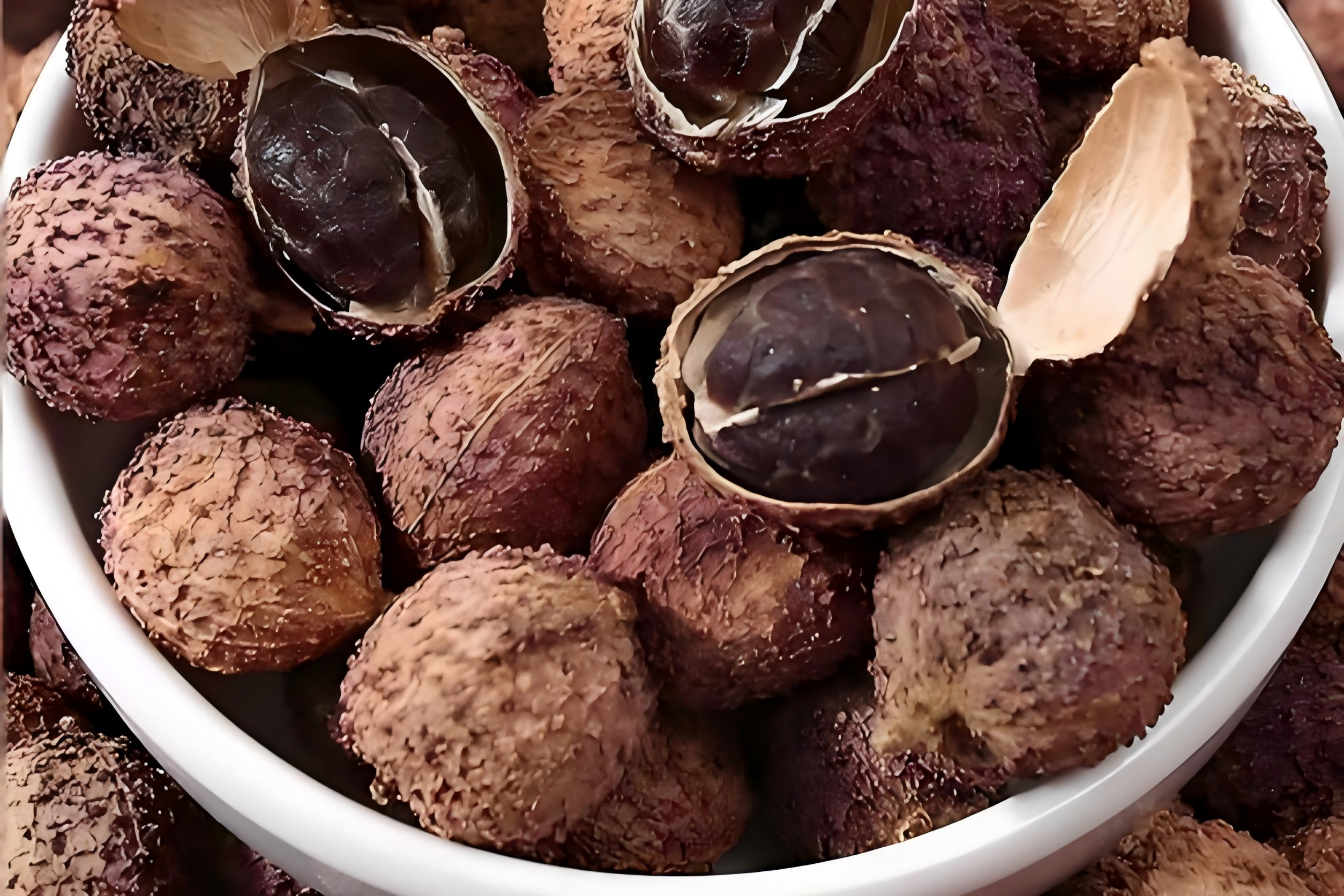
Amomum villosum (known in Chinese as sha ren) is another botanical for digestion with deep roots in traditional meal rituals. Classical sources describe it as "the key herb for opening the Spleen and Stomach". Historically, sha ren has been used as a carminative and for various GI tract complaints—particularly in southern China, where it has been used for centuries to warm the stomach and support post-meal comfort.
India: Spices as Digestive Allies
In India, the meal concludes with mukhwas—a colorful mix of fennel seeds, ajwain, jeera, and other digestive herbs. Far from being simple mouth fresheners, these practices reflect a deeper understanding of digestion. Some households preferred fennel seeds, while others added coriander seeds, sesame, dill seeds, ajwain, dry coconut, or rock sugar.
Tulsi (holy basil) and ginger have also been central to Indian botanical traditions—brewed as teas after meals to soothe the stomach and calm the mind.
Japan: The Ritual of Tea
In Japan, matcha and hojicha have long been served after meals—not just for their flavor, but for their role in the ritual of transition. The Japanese tea ceremony elevated this botanical ritual to an art form, but the everyday practice of sharing tea after a meal i
s equally significant.
Middle East: Mint and Hospitality
Across the Middle East, mint tea is more than a beverage—it is an expression of hospitality, a plant ritual that says "you are welcome here." Served after meals, mint aids digestion while the act of pouring and sharing creates space for conversation.
Europe: From Digestion to Conversation
In Spain, the tradition of sobremesa—the time spent lingering at the table after a meal—often includes herbal infusions. In Italy, digestive bitters made from botanicals like gentian and artichoke are served after heavy meals. In France, tisanes (herbal teas) are a nightly ritual.
Across these cultures, a pattern emerges: meals and botanicals are not separate experiences. The botanical after the meal is the bridge between eating and the rest of life.
How Botanicals Became Part of Daily Life
The journey of botanicals from medicine to ritual is a story of human adaptation.
Early uses of plants in daily life were primarily practical: healing wounds, treating fevers, preserving food. But over time, these botanical traditions took on deeper meaning.
From Necessity to Ritual
When a community discovered that a particular herb helped with digestion after heavy meals, that knowledge spread. When someone realized that a certain flower helped them sleep, that too became shared wisdom. These discoveries were botanical traditions in the making.
But why did some practices endure while others faded?
Three factors determined which plant rituals became part of everyday life:
1. Ease of preparation. The botanicals that survived were the ones that were easy to grow, harvest, and prepare. If making a tea required hours of work, it remained a special-occasion practice. If it took minutes, it became daily.
2. Social reinforcement. Botanical rituals that were shared—poured from a common pot, served to guests, passed from parent to child—were the ones that endured.
3. Measurable benefit. The herbal traditions that lasted were the ones that worked. If a plant ritual didn't produce noticeable results, people stopped doing it.
The Role of Oral Tradition
Before written language, botanical traditions were passed down through stories, songs, and lived practice. Grandmothers taught grandchildren which herbs to pick and when. Travelers carried plant knowledge across continents.
This oral tradition meant that botanical knowledge was not static—it evolved with each generation, adapting to new environments, new needs, and new understandings.
Why Traditional Gatherings Often Included Botanicals
Think of any traditional gathering—a wedding, a funeral, a harvest festival, a religious ceremony. Chances are, botanicals were present.
Why?
Botanicals serve as social bridges. When you share a cup of tea with someone, you are not just drinking—you are connecting. The act of preparing and serving herbal infusions creates space for conversation, for slowing down, for being present with another person.
Botanicals mark transitions. A wedding might include flower crowns or herbal blessings. A funeral might include incense or botanical offerings. These plant rituals help people navigate life's biggest moments.
Botanicals create atmosphere. The scent of chrysanthemum or osmanthus can transform a space, signaling that something special is happening.
The Role of Botanicals in Shared Meals
Shared meals are the foundation of human society—and botanicals have always been part of them.
Before the meal: Herbs and spices flavor the food. Botanicals like garlic and onion build the foundation of countless dishes.
During the meal: Botanicals appear as garnishes, as condiments, as ingredients that transform simple ingredients into something memorable.
After the meal: This is where post-meal botanical traditions shine. The herbal infusion that aids digestion. The botanical that freshens breath. The warm cup that signals: the eating is done, now we rest.
This post-meal ritual is perhaps the most universal botanical tradition of all—and the one most commonly lost in modern life.
How Different Cultures Use Botanicals After a Meal
Culture Post-Meal Botanical Purpose
China Chenpi (dried tangerine peel) tea Aids digestion, warms the stomach
China Amomum villosum (sha ren) infusion Supports digestive comfort, traditional warming herb
India Fennel seeds (mukhwas) Freshens breath, aids digestion
Japan Hojicha (roasted green tea) Low caffeine, calming, digestive support
Middle East Mint tea Hospitality, digestion, social connection
Spain Pennyroyal tea Digestion, social ritual (sobremesa)
Italy Digestive bitters (amaro) Stimulates digestion after heavy meals
France Herbal tisanes Evening relaxation, digestion
Americas Yaupon tea Native American ceremonial and daily use
Each culture found its own botanical solution to the universal need for post-meal comfort—and each tradition reflects the plants that grew in that region.
The Stories Hidden in Everyday Botanicals
Every herb tells a story.
Chrysanthemum tells the st
ory of longevity and autumn, of slowing down as the year winds down. In China, chrysanthemum tea has been enjoyed for centuries—not just for its flavor, but for its symbolism of a life well lived. Its golden blooms are used in rituals to dispel negativity, invite peace, and honor life's cycles.
Chenpi tells the story of patience. The dried tangerine peel that is aged for years, sometimes decades, transforms from something ordinary into something precious. "One ounce of chenpi, one ounce of gold," the saying goes. It is a botanical tradition that teaches us that good things take time.
Rosemary tells the story of remembrance. In ancient Rome, it was used in ceremonies. Today, it still perfumes roasts and carries the same symbolic weight.
Osmanthus tells the story of homecoming. Its sweet fragrance, blooming in autumn, signals gathering and warmth.
These botanical traditions are not just about what the plants do—they are about what they mean.
Why Certain Botanicals Appear Across Generations
Some botanical traditions have survived for thousands of years. Why?
They work. The herbal remedies that survived are the ones that delivered results. If a plant ritual didn't help, people stopped doing it.
They are accessible. The botanicals that endured are the ones that grow easily, that require minimal processing, that anyone can prepare.
They carry meaning. The plant rituals that lasted are the ones that connect people to something larger—to family, to culture, to nature itself.
They are passed down. The botanical traditions that survived are the ones that were taught—by grandmothers to grandchildren, by elders to youth, by one generation to the next.
In a world that changes constantly, botanical traditions offer continuity. They are threads that connect us to those who came before.
Preserving Botanical Traditions in a Modern World
Modern life has disrupted many botanical traditions.
We eat quickly, often alone. We reach for convenience over ritual. We have forgotten the post-meal pause—the cup of herbal tea, the moment of stillness, the transition from eating to the rest of the evening.
But these traditions are not lost. They are waiting to be rediscovered.
How to Bring Botanical Traditions Into Your Life
Start small. You don't need a tea ceremony. You don't need to grow your own herbs (though you can). You just need one botanical ritual.
Choose your moment. The post-meal moment is ideal—it is already a transition point in your day. Replace the phone scroll with a warm cup. Replace the rush to the next task with five minutes of stillness.
Choose your botanical. Chrysanthemum for calm. Chenpi for digestion. Amomum villosum for post-meal warmth. Mint for freshness. Chamomile for sleep.
Make it yours. The beauty of botanical traditions is that they are adaptable. You don't have to do it the way your grandmother did (though you can). You can create a plant ritual that fits your life.
The Modern Case for Botanical Rituals
In 2026, botanical traditions are more relevant than ever.
We live in a world of constant stimulation. Our phones demand attention. Our schedules leave no room for pause. Our meals are eaten in haste.
Botanical rituals offer an antidote: a moment of presence, a connection to something older than ourselves, a pause in the rush of modern life.
When you brew a cup of herbal tea after dinner, you are not just drinking. You are participating in a tradition that spans cultures and centuries. You are slowing down. You are caring for your digestion. You are marking the transition from the day's activity to the evening's rest.
Conclusion – Bringing Botanical Traditions Into Your Own Rituals
Botanical traditions are not a relic of the past. They are a living practice, waiting to be reclaimed.
The plants are still here. Chrysanthemum still blooms in autumn. Chenpi still ages in cupboards. Amomum villosum still warms the stomach after meals.
The knowledge is still here. We know more about botanicals than any generation before us—not less.
The need is still here. We still need to digest. We still need to pause. We still need connection.
The only thing missing is the practice.
You can start tonight. Finish your meal. Put down your phone. Brew a cup of herbal tea. Sit with it. Notice the warmth. Notice the stillness. Notice the transition from eating to resting.
This is what botanical traditions have always been: a pause, a presence, a connection.
They are not complicated. They are not expensive. They are not reserved for special occasions.
They are for everyday life.
They always have been.
Frequently Asked Questions
What are botanical traditions?
Botanical traditions are the practices, rituals, and customs centered around the use of plants—for healing, for ceremony, for daily comfort, and for marking life's transitions. These traditions span every culture and have been passed down through generations for thousands of years.
Why are botanicals important in daily rituals?
Botanicals provi
de accessible, effective, and meaningful ways to support health, create connection, and mark transitions in daily life. They offer a pause from modern busyness and a tangible link to cultural heritage and natural rhythms.
What are some common post-meal botanical traditions?
Common post-meal botanical traditions include drinking chenpi tea in China, chewing fennel seeds in India, sipping mint tea in the Middle East, and enjoying herbal tisanes in Europe. Each culture developed its own botanical solution to support digestion and extend social connection after meals.
How can I start my own botanical ritual?
Start small. Choose one botanical that appeals to you—like chrysanthemum for calm, chenpi for digestion, or mint for freshness. Choose a consistent time, such as after dinner. Commit to five minutes of stillness with your cup. As the habit forms, you can expand your ritual.
Are botanical traditions still relevant today?
Yes. In a fast-paced, digitally distracted world, botanical traditions offer something increasingly rare: a moment of presence, a connection to nature, and a pause from constant stimulation. They are more relevant now than ever.
What is the difference between a botanical tradition and a routine?
A routine is something you do automatically—like brushing your teeth. A botanical tradition is a practice done with intention and awareness, often carrying cultural or personal meaning. It's not just what you do, but how and why you do it.
Which botanicals are best for post-meal digestion?
a traditional post-meal botanical herbs include chenpi (dried tangerine peel), amomum villosum (sha ren), fennel seeds, peppermint, ginger, and chamomile. Each works differently—some warm the stomach, others soothe or stimulate digestion—so you can choose what feels best for yourbody
Megjegyzés
.jpeg?w=2048&h=2048)
.png?w=1600&h=900)