Why Do I Feel Heavy After Eating?
rivanritual
Why Do I Feel Heavy After Eating Dinner?
Feeling heavy after eating dinner is surprisingly common. Dinner often feels heavier than other meals because it tends to be larger, later in the day, and followed by less movement. Eating quickly, oversized portions, or sitting immediately after dinner can all contribute to that lingering feeling of heaviness.
For many people, the issue isn’t just what they ate—it’s also how the evening unfolds afterward.
The good news: small shifts in your post-dinner routine can make evenings feel noticeably lighter and more comfortable.
Why Dinner Often Feels Heavier Than Other Meals
Many people notice they feel perfectly fine after breakfast or lunch, but dinner feels different.
That’s not unusual.
Evenings naturally slow down. Your energy drops, movement decreases, and meals often become more indulgent. Dinner is also more likely to be the meal where people relax, eat quickly, or overeat after a long day.
This combination can create a sense of physical heaviness that lingers well into the evening.
That heaviness may feel like:
* Feeling overly full
* A heavy sensation in your stomach
* General sluggishness after eating
* Feeling uncomfortable while relaxing
* A sense that dinner “sits with you” longer than expected

Common Reasons You Feel Heavy After Dinner
Several factors can make dinner feel heavier than expected.
1. Eating Too Quickly
Fast eating often means your body doesn’t have enough time to register fullness while you’re eating.
By the time dinner ends, you may feel much fuller than intended.
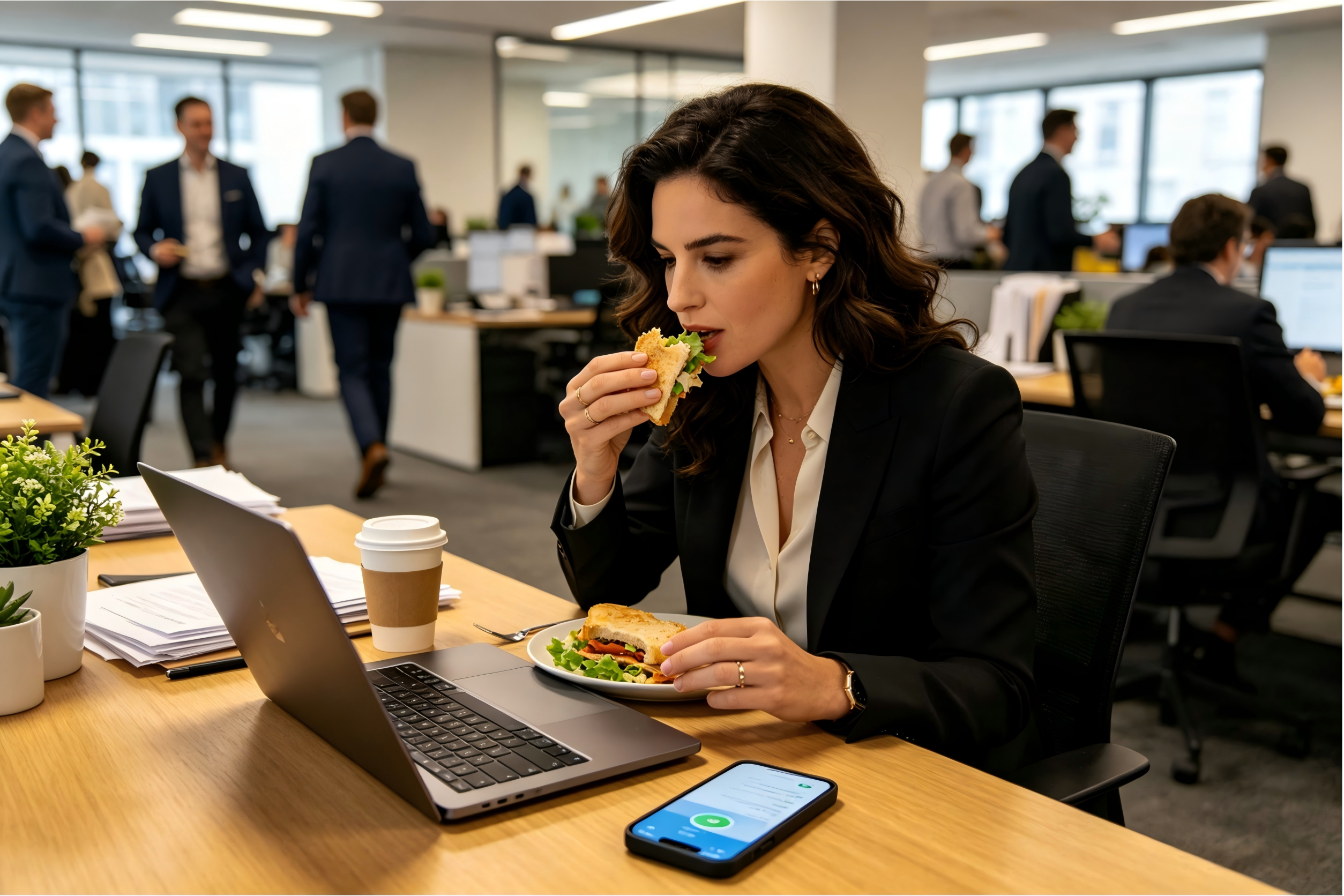
Eating quickly can also make the meal feel less satisfying, which sometimes leads to eating more than needed.
A slower pace often creates a noticeably more comfortable post-meal experience.
2. Larger Portion Sizes at Night
Dinner is frequently the biggest meal of the day.
This is especially common if breakfast was light or lunch was rushed.
By evening, hunger tends to build. That can lead to larger portions, richer foods, or multiple servings—all of which can leave you feeling heavier afterward.
Sometimes the issue isn’t the meal itself.
It’s simply volume.
3. Eating Late
Late dinners can feel heavier because there’s less time between eating and winding down for the night.
When dinner happens close to bedtime, the evening can feel compressed:
Eat → Sit → Sleep
That leaves little room for a comfortable transition after meals.
Even a short buffer between dinner and bedtime can make a meaningful difference.
4. Sitting Immediately After Eating
One of the biggest contributors to post-dinner heaviness is inactivity.
A common pattern looks like this:
Dinner → Couch → TV → Bed
There’s nothing inherently wrong with relaxing after dinner—but going completely still right away can make the heaviness feel more noticeable.
Even gentle movement after meals can help evenings feel lighter.
5. Rich or Heavy Meals
Some dinners simply feel heavier by nature.
Large portions, rich sauces, fried foods, or especially dense meals can create a stronger sensation of fullness.
This doesn’t mean you need to avoid indulgent meals.
It simply means your post-dinner routine becomes even more important afterward.
---
Why Evenings Can Feel Especially Uncomfortable After Dinner
There’s also a psychological side to this.
During the day, you’re moving, working, and distracted.
At night, you become more aware of physical sensations.
That means normal fullness can feel more noticeable in the evening.
You may suddenly become hyper-aware of:
* Fullness
* Heaviness
* Tightness
* Sluggishness
This is one reason evenings often feel more uncomfortable after larger meals.

How to Feel Lighter After Dinner
The goal isn’t to “fix” dinner.
It’s to create a smoother transition after meals.
Small rituals often make the biggest difference.
Slow Down
Pause after dinner.
Avoid jumping immediately into screens, work, or lying down.
A slower transition helps your evening feel more intentional.
Move Gently
You don’t need intense exercise.
Even simple movement can help.
Examples:
* A short walk
* Light stretching
* Tidying up after dinner
* Standing for a few minutes
Gentle movement often feels better than complete stillness.
Stay Hydrated
Hydration is often overlooked in evening routines.
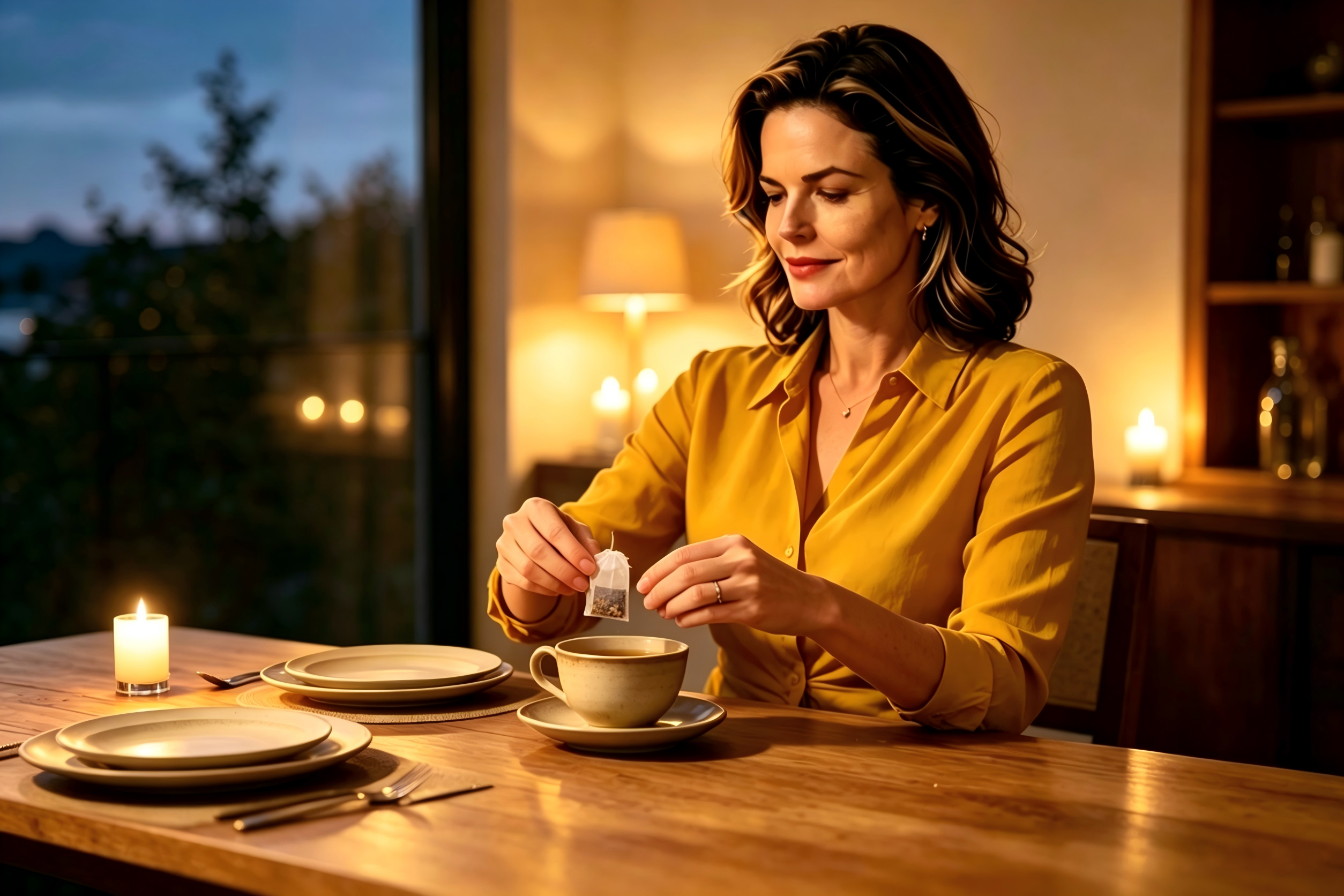
A warm or calming beverage can help create a more relaxed transition after dinner.
Small rituals matter.
Create a Better Post-Meal Ritual
This is where routines become powerful.
A post-meal ritual is a simple intentional routine that helps transition from eating into a more comfortable evening.
For many people, the most effective post-dinner routines combine:
* Light movement
* Hydration
* Calm
* Consistency
Instead of ending dinner abruptly, a ritual creates space between eating and the rest of the night.
That shift can completely change how evenings feel.
A More Comfortable Evening Starts After Dinner
Feeling heavy after eating dinner doesn’t always come down to what you ate.
Often, it’s a combination of:
* Meal size
* Timing
* Pace
* What happens after dinner
The most effective solution is often surprisingly simple: improve the moments after the meal.
Small evening rituals can help dinner feel less abrupt, more intentional, and more comfortable.
Brands like Rivan are helping redefine post-meal comfort through modern rituals designed for evenings.
Because sometimes feeling better after dinner starts with what comes next.
Build a Better Post-Meal Ritual
Small rituals can transform how evenings feel. Discover Rivan’s modern approach to post-meal comfort.

Frequently Asked Questions
Why do I feel heavy after eating dinner?
Dinner often feels heavier because meals are typically larger, later in the day, and followed by less movement. Eating quickly or sitting immediately after eating can also contribute.
Is it normal to feel heavy after dinner?
Yes. Many people feel heavier after dinner than after breakfast or lunch, especially after larger meals or late dinners.
What should I do after a heavy dinner?
Gentle movement, hydration, and a calming post-meal routine can help create a more comfortable evening.
How can I feel lighter after dinner?
Eating more slowly, avoiding oversized portions, moving gently after meals, and building a consistent evening ritual can all help.