What Are Botanical Traditions?
rivanritual
Plants have been part of human life for as long as we have existed. They have fed us, healed us, sheltered us, and accompanied us through every stage of life. But beyond their practical uses, plants have also carried meaning. They have been woven into the fabric of how we celebrate, how we mourn, how we gather, and how we mark the passage of time.
These are botanical traditions — the practices, rituals, and customs that connect people to plants across generations.
A Deeper Definition
Botanical traditions are the ways in which different cultures have used, honored, and lived alongside plants throughout history. They include everything from the herbs used in traditional medicine to the flowers that appear in ceremonies, from the spices that define a cuisine to the plants that carry symbolic meaning in festivals and rites of passage.
Ethnobotany — the study of the relationships between people and plants — documents these connections. It reveals that plants are not merely resources to be consumed. They are companions in human life, carrying stories, beliefs, and knowledge that have been passed down through generations.
Culturally significant plants are those that hold symbolic, spiritual, or practical importance within various cultures. They are deeply intertwined with the beliefs and practices of a community. They appear in rituals, ceremonies, and traditional medicine — often in ways that have endured for centuries.
How Plants Became Part of Everyday Life
Long before modern medicine, before supermarkets, before the convenience of modern life, people lived in close relationship with the natural world. They observed which plants soothed a stomach ache, which ones helped a wound heal, and which ones brought comfort at the end of a long day.
This knowledge was not written down in textbooks. It was passed through oral traditions — from parents to children, from elders to the young, from one generation to the next. Over time, these practices became embedded in daily life. They became habits. They became rituals. They became traditions.
Botanical Traditions Around the World
Every culture has its own botanical traditions. Some are medicinal. Some are culinary. Some are spiritual.
In Traditional Chinese Medicine
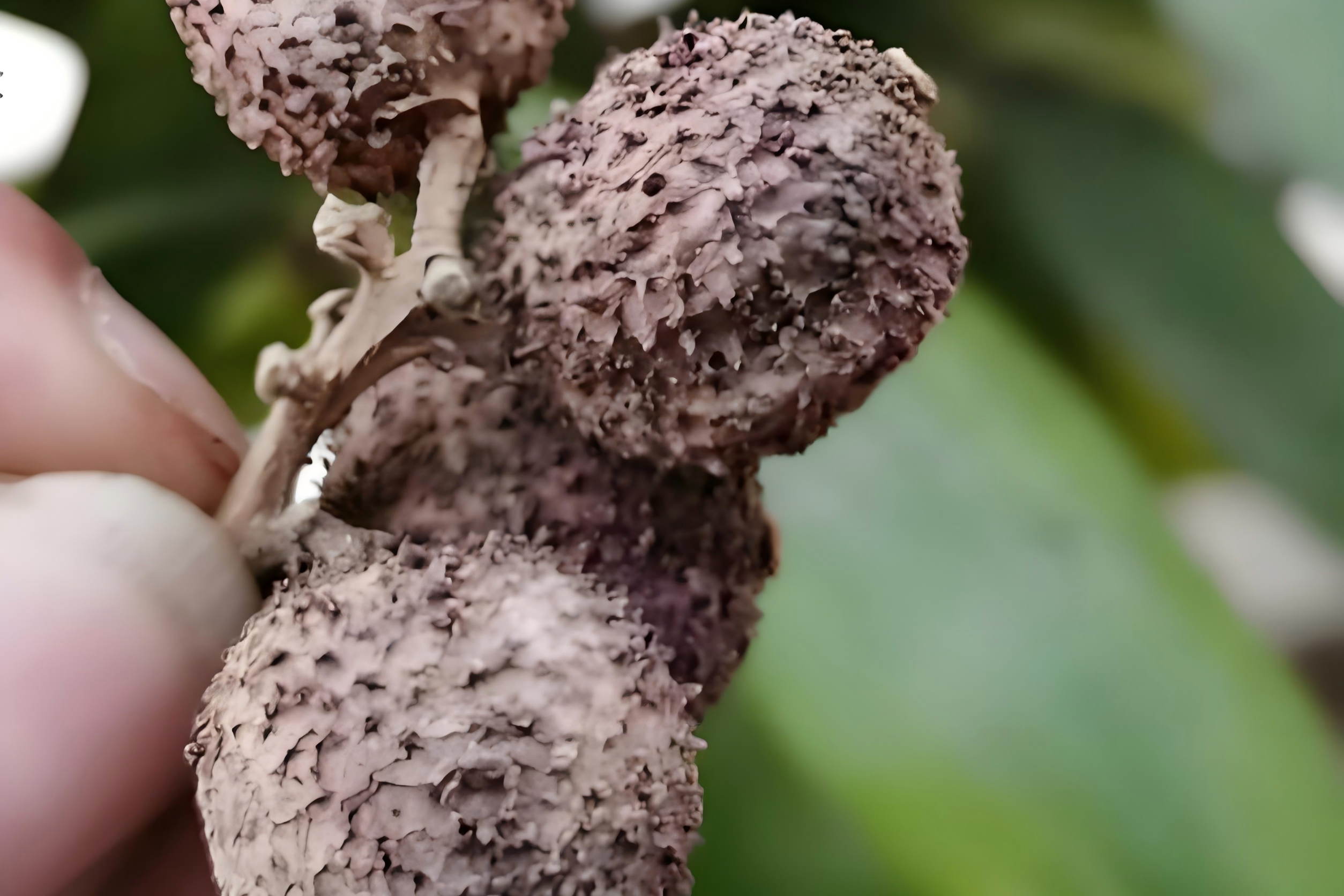
For more than 1,300 years, certain plants have been used to support digestion, regulate energy, and restore balance. Amomum villosum — known in Chinese as sha ren — has been documented as early as the Tang Dynasty for its ability to warm the body, support the stomach, and alleviate discomfort. It is considered one of the four major southern medicinal herbs in China.
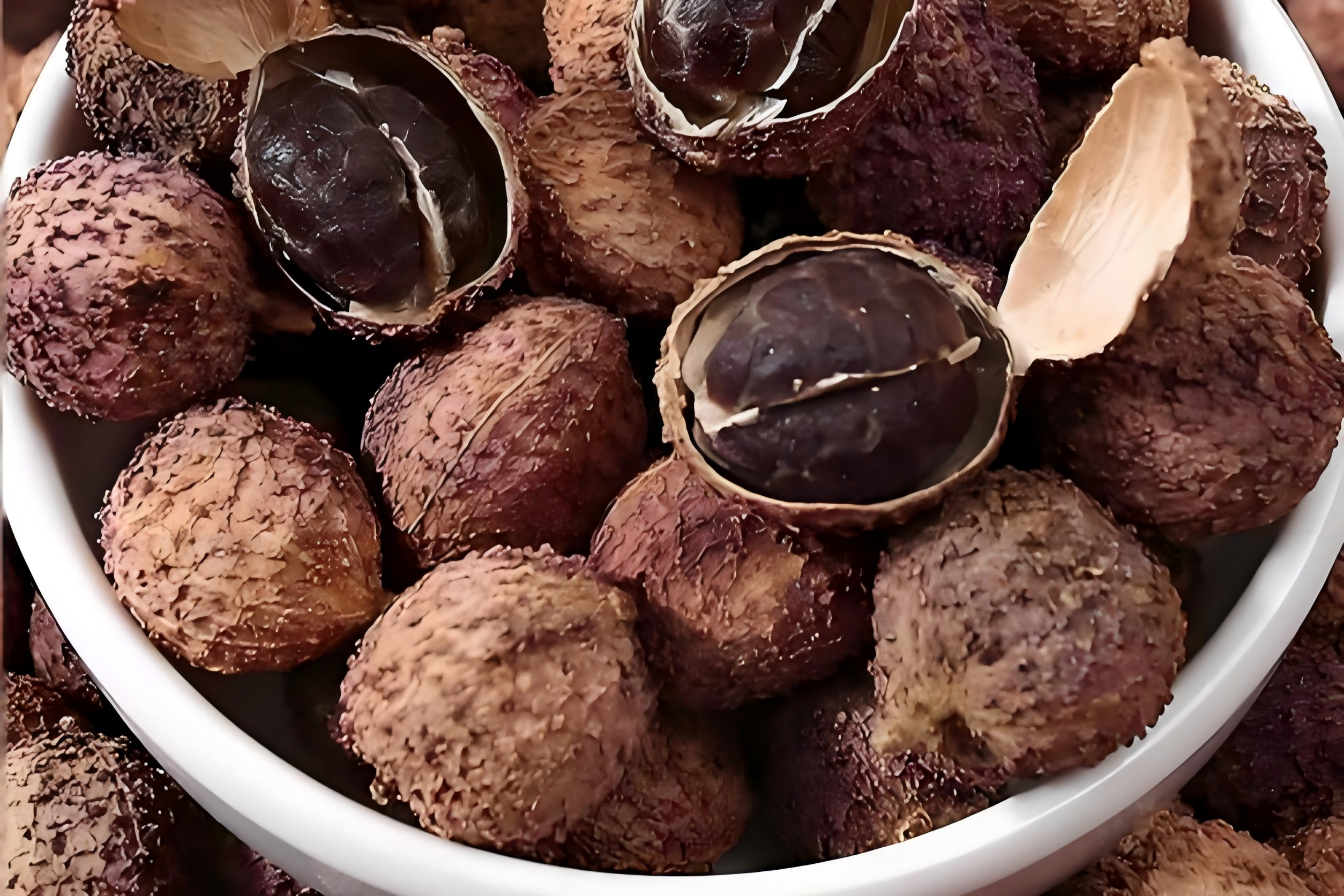
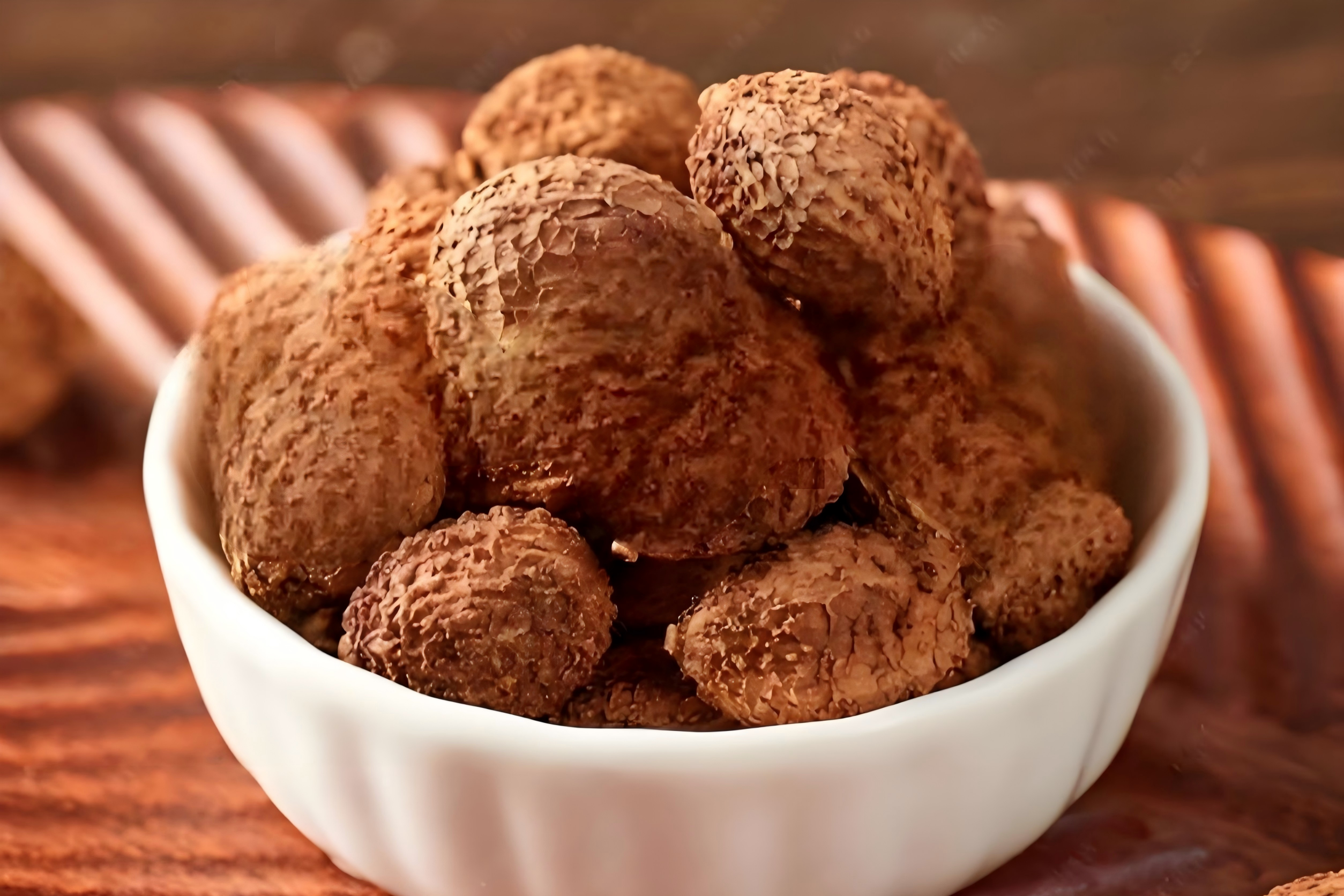
Chenpi — aged tangerine peel — is another example. Sun-dried and aged over time, it is prized for its warming properties and its ability to support digestion. The older the peel, the more valuable it becomes. In traditional Chinese medicine, it is believed to regulate qi — the flow of energy — and improve digestive function.
Chrysanthemum has long been associated with the slowing down of time. It is the "flower of longevity", appearing in festivals and ceremonies as a symbol of graceful aging. Chrysanthemum tea has been used for centuries as a gentle way to cool the body and calm the mind.
In Indigenous Cultures
Indigenous peoples around the world have developed rich understandings of the plants in their environments. These relationships are not just practical — they are spiritual. Plants are seen as interconnected with human life, carrying wisdom that has been passed down for millennia.
In European Traditions
Celtic and Norse traditions included plants like the rowan tree, which was believed to ward off evil spirits. Mugwort was similarly used for protection. These plants were not just tools — they were guardians, carrying meaning and protection.
In Mesoamerican Cultures
Copal resin has been used for centuries as incense, medicine, and a bridge between the physical and spiritual worlds. It has healed wounds, calmed stomach pains, cleansed spaces, and connected people to their ancestors.
The Common Thread: Intention
Across all these traditions, one thing remains consistent: intention.
Plants were not used casually. They were prepared with care. They were consumed with awareness. They were part of rituals that marked transitions — from day to night, from one season to the next, from one stage of life to another.
These traditions created moments of pause. They reminded people to slow down, to pay attention, to be present.
What Botanical Traditions Mean Today
In a world that moves faster than ever, botanical traditions offer something valuable: a connection to something slower, something older, something more grounded.
When you prepare a cup of tea from a plant that has been used for centuries, you are participating in a tradition that stretches back through time. When you take a moment after a meal to sit quietly with a warm botanical blend, you are continuing a practice that has existed across culture
s for generations.
Botanical traditions are not about nostalgia. They are about bringing ancient wisdom into modern life. They are about remembering that plants are not just ingredients — they are companions, carrying stories and knowledge that can still serve us today.
Botanical Traditions at Rivan
At Rivan, botanical traditions are at the heart of everything we do.
Our post-meal blend draws on three botanicals with deep traditional roots:
Amomum villosum — a warming herb used for generations to support digestive comfort
Aged tangerine peel (Chenpi) — prized for its ability to support digestion and regulate energy
Chrysanthemum — a flower long associated with calm and the slowing down of time
These are not random ingredients. They are plants with histories. They have been used for centuries, not because they were trendy, but because they worked.
We are not here to recreate the past. We are here to bring these traditions into the present — to offer a small, intentional ritual that connects you to something older, something slower, something that has always been there.
👉 Explore Rivan's post-meal ritual here
This article is for informational purposes only and does not constitute medical advice. Always consult with a qualified healthcare provider regarding any health concerns.
Continue Reading
If you found this article helpful, you might also enjoy these related posts:
What Is a Post-Meal Ritual? – And why it matters more than you think.
How to Create a More Intentional Evening – A practical guide to more present evenings.
Why Am I Bloated After Dinner? – Seven common causes and how to find relief tonight.
Frequently Asked Questions
What are botanical traditions?
Botanical traditions are the practices, rituals, and customs that connect people to plants across generations. They include medicinal uses, culinary practices, spiritual ceremonies, and everyday rituals that involve plants.
Why are plants important in cultural traditions?
Plants have been used for food, medicine, shelter, and spiritual practices throughout human history. They carry symbolic meaning and are often deeply intertwined with the beliefs and practices of a community.
How are botanical traditions passed down?
Botanical knowledge has traditionally been passed down through oral traditions — from parents to children, from elders to the young, and from one generation to the next.
What is ethnobotany?
Ethnobotany is the scientific study of the relationships between people and plants. It documents how plants are used, managed, and perceived across different human societies.
What botanicals are used in Rivan's blend?
Rivan's post-meal blend combines Amomum villosum (a warming herb used for digestive support), aged tangerine peel (Chenpi, prized for its digestive benefits), and chrysanthemum (a flower associated with calm and slowing down). Learn more here.
Build Your Evening Ritual
Discover how a simple botanical ritual can connect you to traditions that have endured for centuries — and help you create more intentional evenings.
cometariu
.jpeg?w=2048&h=2048)
.png?w=1600&h=900)