-0.png?w=128&h=128)
What to Do After a Heavy Dinner
rivanritual
What to Do After a Heavy Dinner
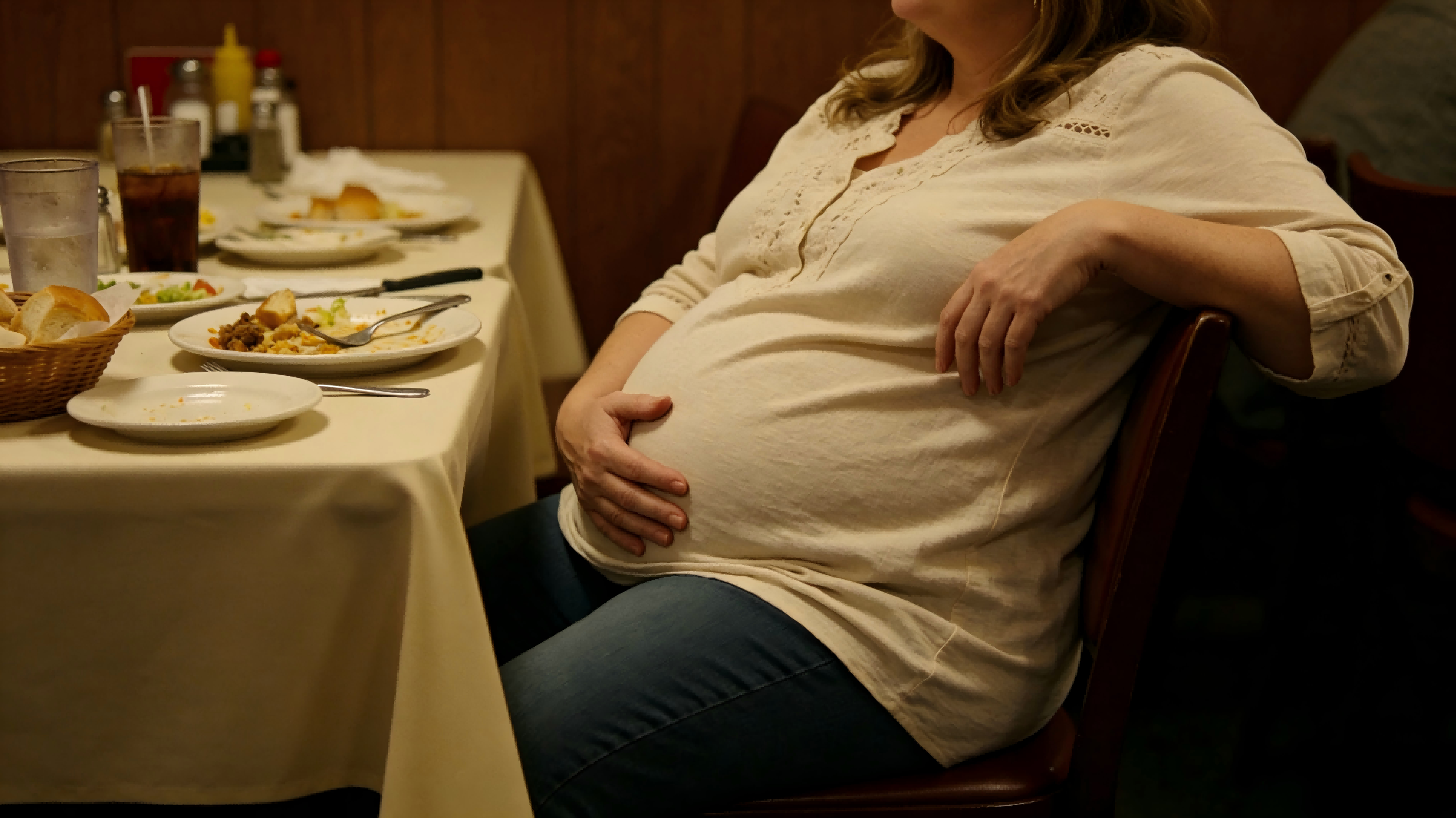
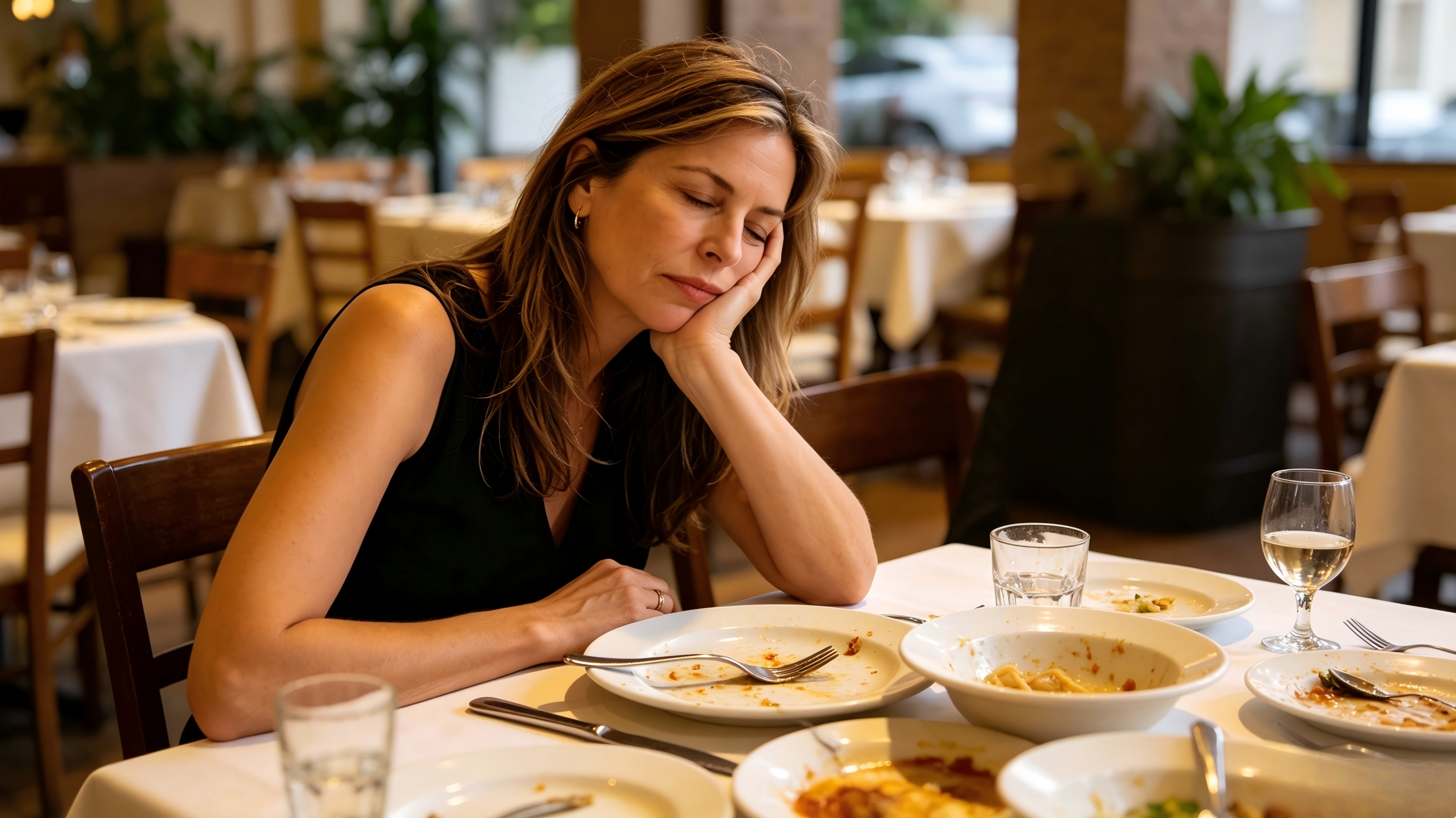
A heavy dinner can leave you feeling overly full, slow, and physically uncomfortable for the rest of the evening.
This is common, especially after large meals, late dinners, or indulgent eating situations.
The goal is not to “undo” the meal.
It’s to support your body in transitioning into a more comfortable evening.
Small, intentional actions after dinner can make a noticeable difference in how the rest of the night feels.
Start With a Slower Transition
One of the most helpful shifts after a heavy dinner is simply slowing down.
Many people go directly from eating to either sitting passively or rushing into another activity.
Instead, give yourself a short transition window.
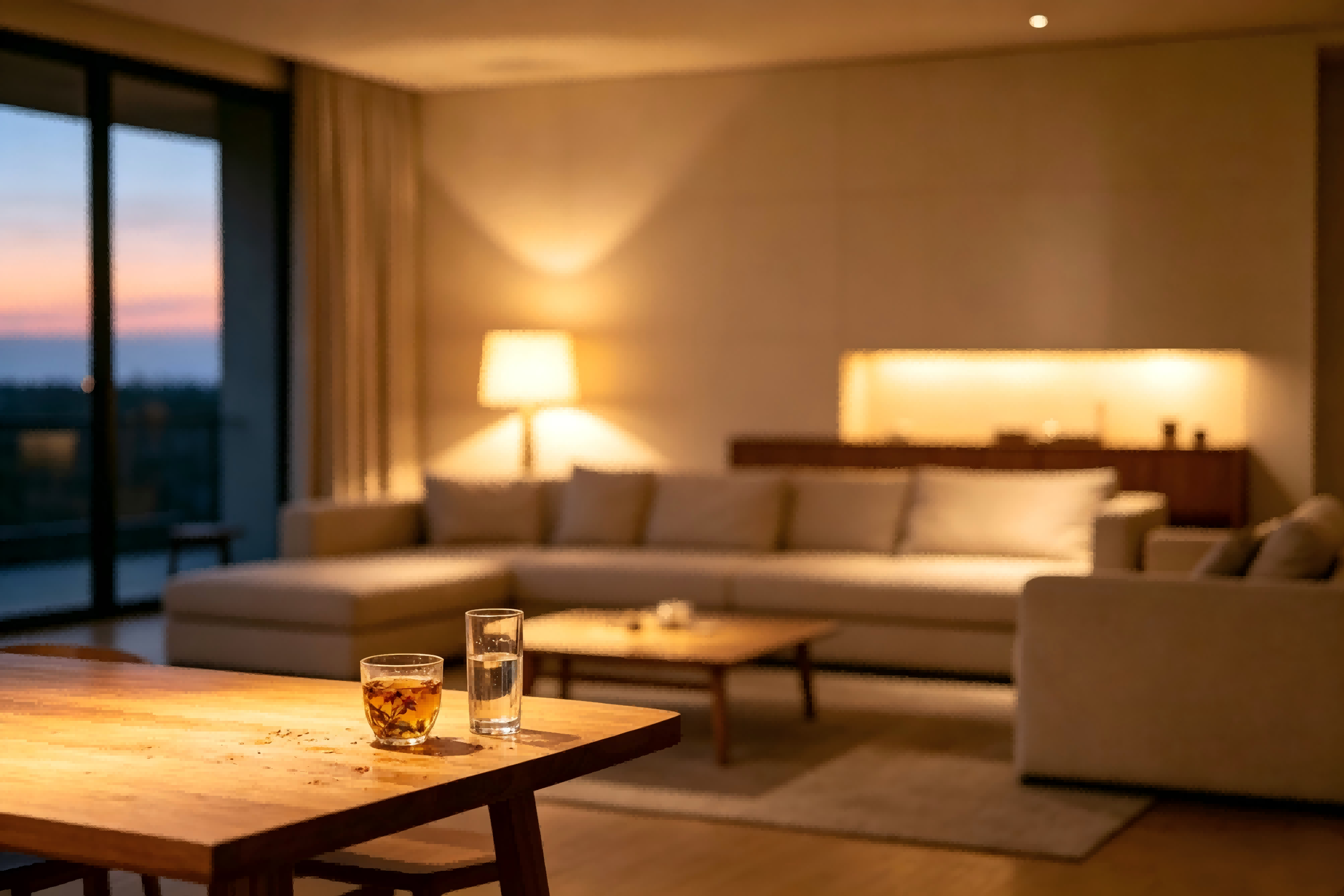
Pause for a moment.
Stay present.
Let your body move out of the “eating phase” before moving into the rest of the evening.
This alone can reduce the sense of heaviness.
1. Stay Upright After Eating
After a heavy dinner, avoid lying down immediately.
Remaining upright allows your body to naturally settle the meal more comfortably.
You don’t need to be active.
Even simple upright sitting or light standing helps create a better post-meal state.
If possible, give yourself at least 30–60 minutes before fully reclining.
2. Take a Gentle Walk
Light movement is one of the most effective post-dinner actions.
This does not mean exercise.
It means gentle, low-effort movement that supports circulation and helps you feel less stagnant.
Examples:
A slow walk outside
Walking around your home
Light cleanup after dinner
A quiet evening stroll
Even 5–10 minutes can shift how the evening feels.
3. Reduce Stimulation in Your Environment
After a heavy dinner, your system naturally benefits from a calmer environment.
This is the time to reduce intensity, not increase it.
You can:
Lower lighting
Reduce screen brightness
Avoid fast-paced content
Choose quiet, slow activities
A calmer environment helps your evening feel less physically and mentally “heavy.”
4. Hydrate Slowly and Naturally
Hydration plays a subtle but important role after dinner.
A glass of water or a warm herbal drink can help create a more comfortable post-meal transition.
The key is not quantity—it’s pacing.
Sip slowly rather than consuming large amounts at once.
Think of it as part of your evening rhythm, not a corrective action.
5. Allow Time for Digestion to Settle
Sometimes discomfort is amplified by over-awareness.
After a heavy dinner, it’s easy to focus on how full you feel, which can make the sensation feel stronger.
Instead of trying to fix it immediately, shift attention to allowing the evening to unfold naturally.
Comfort often improves with time, movement, and calm—not urgency.
What to Avoid After a Heavy Dinner
Certain habits can make the evening feel more uncomfortable.
Try to avoid:
Lying down immediately after eating
Intense physical exercise
Rushing into stressful or stimulating tasks
Over-correcting with restrictive behavior
The goal is balance, not compensation.
Why Heavy Dinners Feel More Intense at Night
Dinner often feels heavier than other meals due to a combination of timing, portion size, and environment.
Evenings typically involve:
Larger meals
Richer foods
Lower activity levels
Reduced distractions
Because of this slowdown, physical sensations become more noticeable.
What might feel mild during the day can feel amplified at night.
Creating a Better Post-Dinner Experience
The most effective long-term approach is not avoiding enjoyable dinners.
It is improving what happens afterward.
This is where a post-meal ritual becomes valuable.
A post-meal ritual is a simple, intentional routine that helps transition from eating into a more grounded, comfortable evening.
For many people, effective post-dinner rituals include:
Gentle movement
Hydration
Reduced stimulation
A consistent wind-down pattern
Over time, this creates a more predictable and comfortable evening experience.
A More Comfortable Evening Starts After Dinner
If you feel heavy after a large dinner, there is no need for extreme solutions.
Start simple:
Stay upright.
Move gently.
Slow your environment.
Hydrate calmly.
These small actions often create a noticeable shift in how the evening feels.
Because the way you move through the hours after dinner often shapes the entire night.

4. Frequently Asked Questions
Why do I feel uncomfortable after a heavy dinner?
Feeling uncomfortable after a heavy dinner is common and often related to meal size, timing, and reduced activity in the evening. Slower routines afterward can help improve comfort.
What should I do immediately after eating too much?
Stay upright, avoid lying down, and take gentle movement like a slow walk. These simple actions help your evening feel more comfortable.
How long does heaviness after dinner last?
It varies depending on meal size and lifestyle factors, but most people find that gentle movement and time help the sensation gradually ease.
Is it okay to lie down after dinner?
It’s generally better to stay upright for a period after eating. Lying down immediately can make fullness feel more noticeable for some people.
A heavy dinner doesn’t need to define your evening.
Small, intentional habits can transform how your body and mind feel after eating.
Discover Rivan’s modern approach to post-meal comfort.
Komentar