-0.png?w=128&h=128)
Why Meals Deserve an Ending
Jun 20,2026 | rivanritual
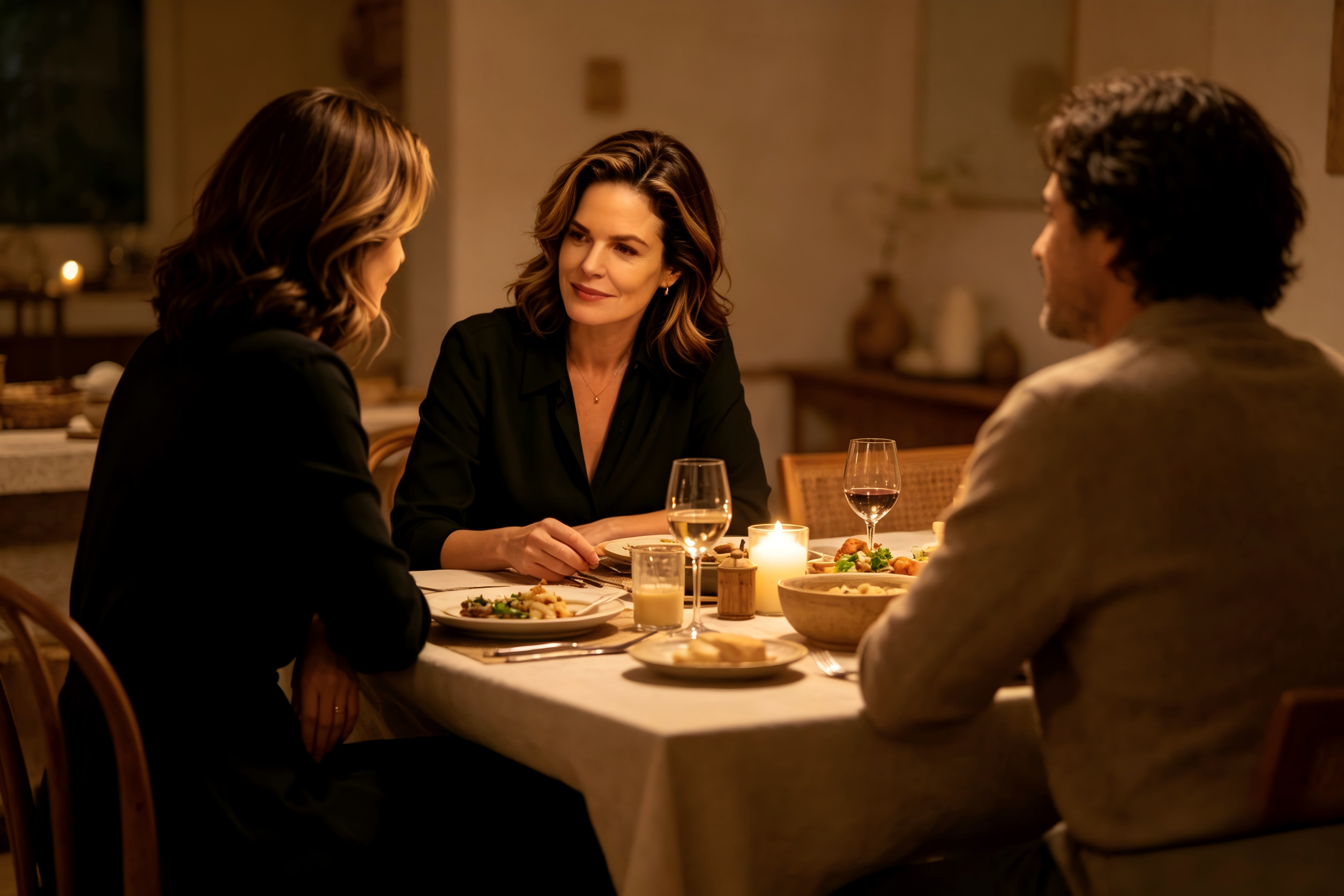
Meals are more than moments of eating.
They create pauses in the day.
They bring people together.
They slow conversation.
They create presence, even if only for a short while.
A meal has a natural rhythm.
There is preparation.
There is gathering.
There is sharing.
And then there is the ending.
But in modern life, this final part is often missing.
Meals no longer end.
They simply stop.
And that difference matters more than we realize.
How Meals End in Modern Life

For many people, dinner ends abruptly.
The plates are cleared.
Phones come out.
Notifications return.
Screens light up.
Within minutes, the energy shifts.
The warmth of the meal disappears into the speed of modern life.
There is rarely a transition.
One moment you are sitting at the table.
The next, attention is scattered again.
The meal ends physically.
But mentally, there is no closure.
No pause.
No shift.
No ending.
This is how meaningful moments quietly disappear.
Not because they lack value.
But because they lack completion.
Why Endings Matter
Endings shape how experiences are remembered.
A strong ending gives meaning to what came before it.
It creates emotional closure.
This is true in stories.
In conversations.
In daily life.
And it is especially true for meals.
Meals are one of the few moments in modern life that naturally invite slowness.
They create a temporary break from movement and distraction.
But without a proper ending, that sense of presence disappears too quickly.
The transition feels incomplete.
And the evening begins without intention.
This is why endings matter.
Because endings shape transitions.
And transitions shape experience.
Meals Were Never Meant to End Abruptly
Across cultures, meals have long included rituals that mark the ending.
Not dramatic rituals.
Simple rituals.
Sharing tea.
Serving something warm.
Lingering in conversation.
Taking a moment before leaving the table.
These moments served an important purpose.
They slowed the transition.
They allowed the meal to close naturally.
They created space between nourishment and the rest of the evening.
The meal wasn’t rushed toward an ending.
It was guided into one.
There is wisdom in that rhythm.
And perhaps something worth returning to.
Ritual Creates Closure

This is where ritual becomes powerful.
A ritual creates an intentional ending.
It helps mark the shift from one part of the day to the next.
This doesn’t need to be complicated.
The most meaningful rituals are often the simplest.
Preparing something warm after dinner.
Sitting for a few extra minutes.
Allowing conversation to continue without urgency.
These small actions create closure.
They tell the mind and body:
This moment is complete.
The evening is beginning.
That transition changes how the night feels.
More grounded.
More present.
More intentional.
A Better Evening Begins After the Meal
What happens after dinner matters.
More than most people realize.
Because the moments after a meal often shape the emotional tone of the entire evening.
This is where transition happens.
This is where rhythm changes.
This is where intention begins.
At Rivan, we believe meals deserve better endings.
Not abrupt endings.
Meaningful ones.
Because a meal is not just something to finish.
It is a moment worth closing well.
And sometimes, a better evening begins with a better ending.

Continue Exploring:
→ Why Create a Ritual After Dinner?
→ Why Intentional Evenings Matter
Komentar