Why Do I Feel Sick After Eating Too Much? Causes and How to Feel Better
rivanritual
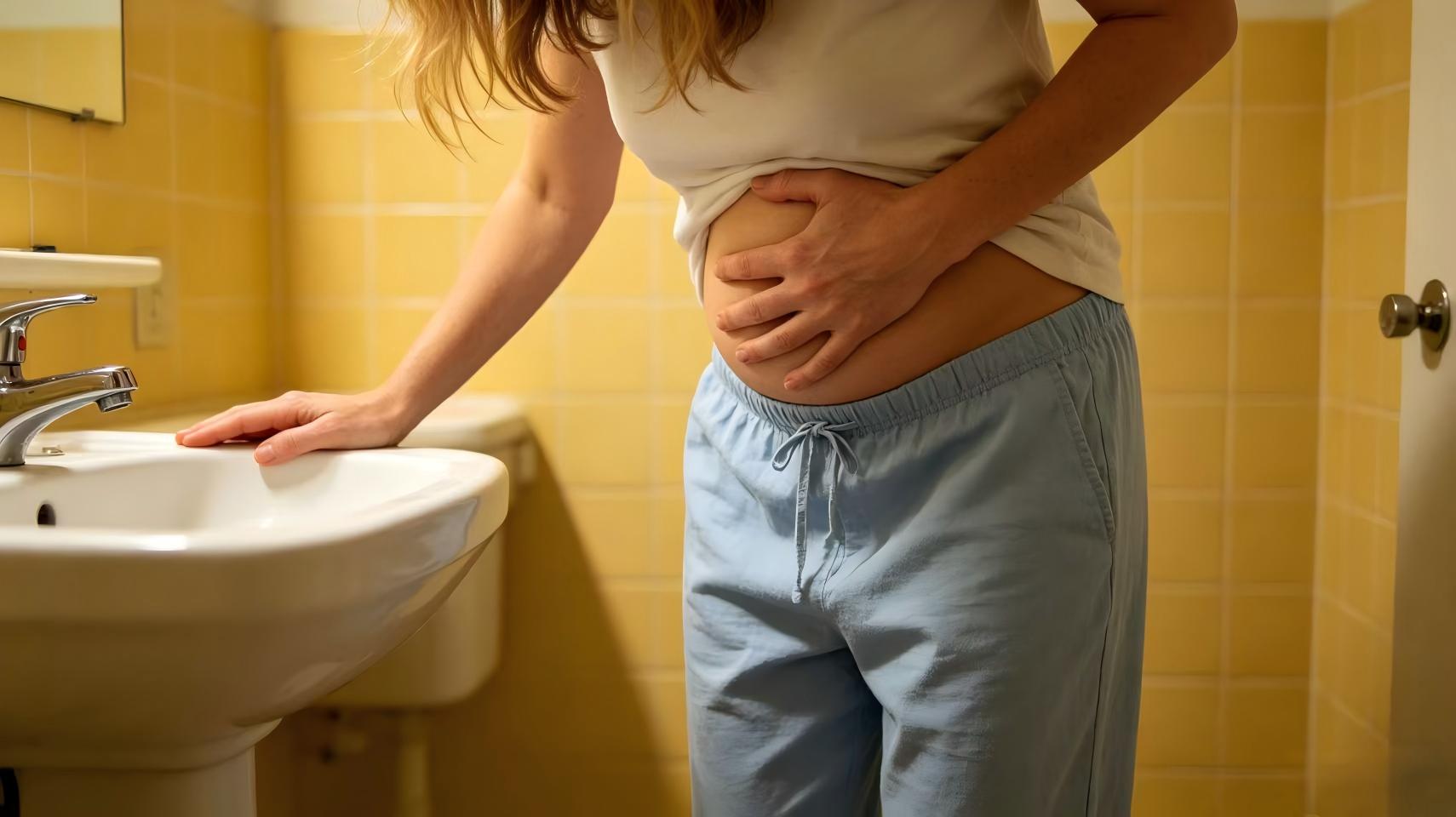
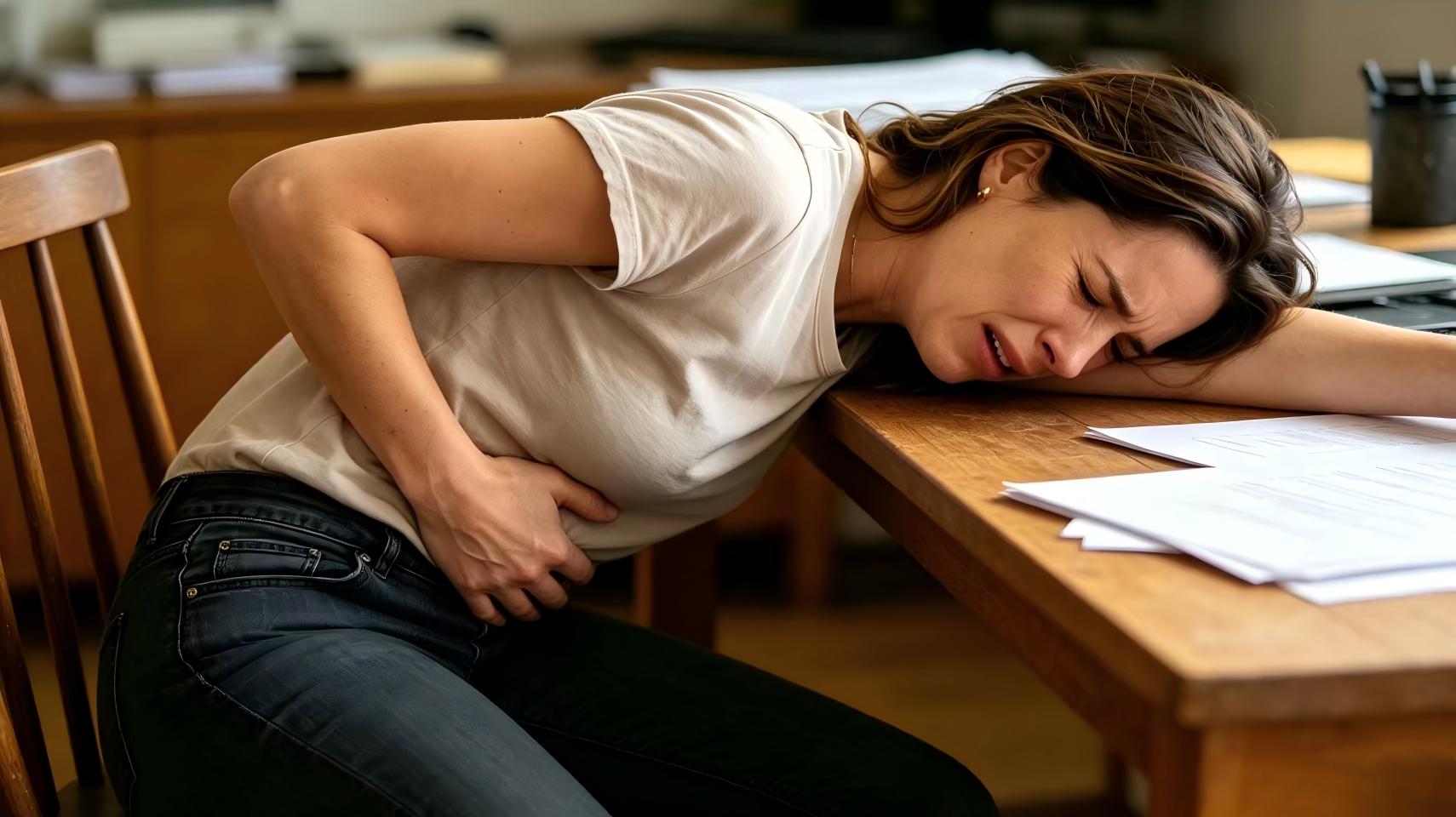
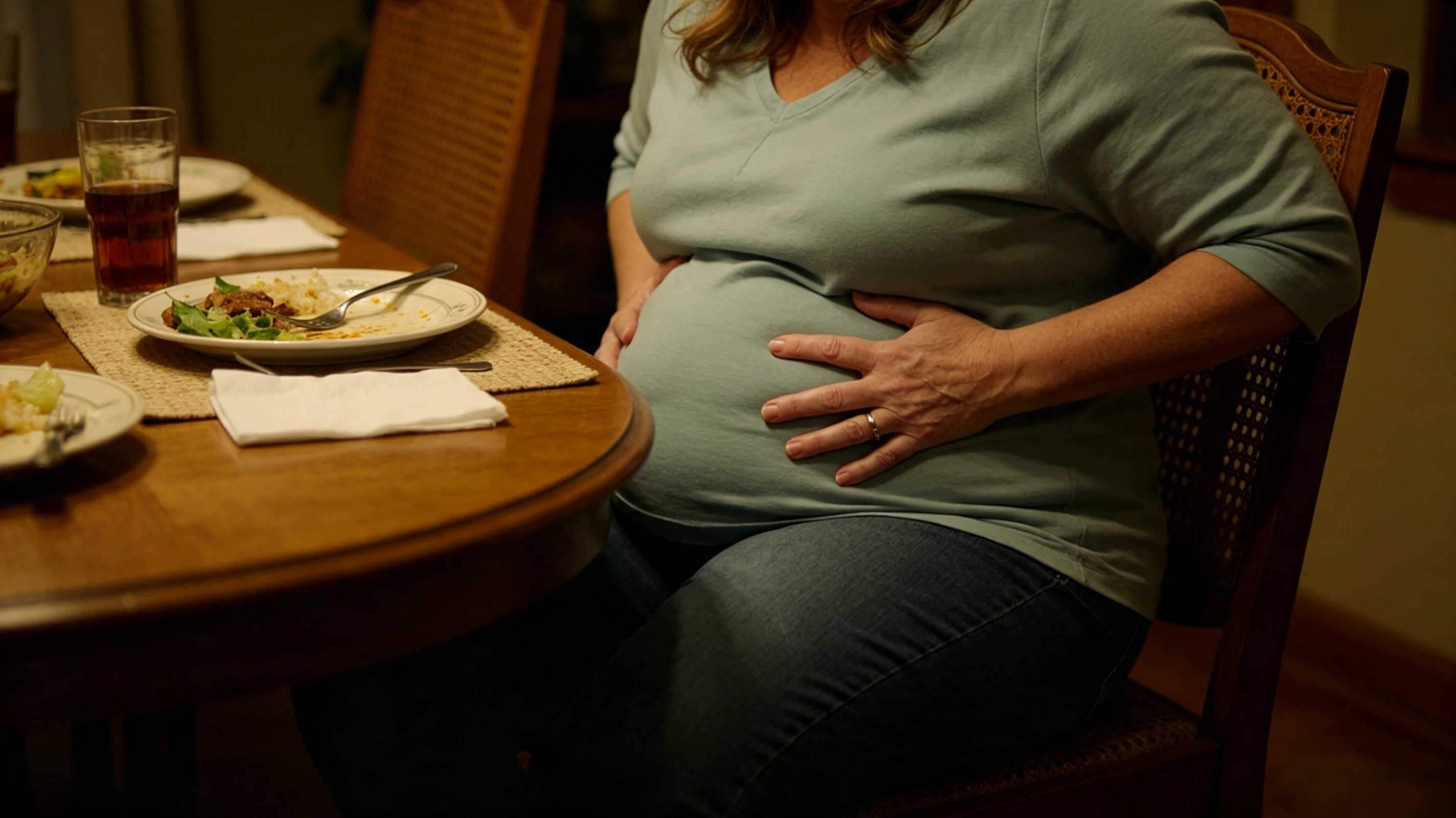
You sit down for a meal that looks irresistible. The food is delicious. You keep going back for more. And then, somewhere between the last bite and pushing back from the table, a familiar feeling sets in. Your stomach feels like it might burst. You feel nauseous. Your body feels heavy and sluggish. You regret that last serving—and the one before it.
If you have ever felt sick after eating too much, you are not alone. Overeating is something almost everyone experiences from time to time. And the symptoms that follow—nausea, bloating, sluggishness, and general discomfort—are your body’s way of letting you know that it is overwhelmed.
The good news is that these symptoms are temporary. And there are simple, practical steps you can take to feel better faster.
What Happens to Your Body When You Overeat
To understand why you feel sick after overeating, it helps to understand what happens inside your body.
When you eat, your stomach expands to accommodate the food. Under normal circumstances, this stretching is gradual and manageable. But when you eat too much, your stomach stretches beyond its comfortable capacity. This triggers a series of physiological responses:
Your stomach produces more acid to handle the extra food
Digestion slows down because there is too much to process at once
Your body diverts blood flow to your digestive system, which can make you feel tired and sluggish
Your stomach may push food back up into the esophagus, causing acid reflux or heartburn
Gas accumulates as food ferments in your digestive tract
The result? You feel sick. The specific symptoms can vary, but they often include nausea, bloating, heartburn, fatigue, and abdominal pain.

Why You Feel Sick After Overeating
There are several reasons why overeating makes you feel sick. Understanding these mechanisms can help you address the symptoms more effectively.
1. Delayed Gastric Emptying
When you eat a large meal, your stomach takes longer to empty its contents into the small intestine. This delay can cause food to sit in your stomach for extended periods, leading to a feeling of fullness that persists for hours. The pressure from this extended stretching can trigger nausea and discomfort.
2. Excess Stomach Acid
Your stomach produces acid to break down food. When you eat a large meal, your stomach produces more acid to handle the extra load. This can irritate the stomach lining, leading to a burning sensation or discomfort. If the acid backs up into your esophagus, it causes heartburn.
3. Gastrointestinal Distress
An overfull stomach can stretch the outer muscles of the gastrointestinal tract to the point of causing pain. This stretching activates pain receptors, which is why you may feel cramping or sharp discomfort after a large meal.
4. Gas and Fermentation
When you eat too much, especially foods that are high in carbohydrates or fiber, the extra food can ferment in your gut. This fermentation produces gas, which can cause bloating, pressure, and discomfort.
5. Hormonal Response
Overeating triggers the release of hormones that regulate digestion and appetite. Some of these hormones can cause nausea, sluggishness, and fatigue.
6. Reduced Blood Flow to Other Organs
Your body redirects blood flow to your digestive system to help process the meal. This reduces blood flow to other parts of your body, which can make you feel tired and sluggish.
Common Symptoms of Overeating
The symptoms of overeating can vary from person to person, but common experiences include:
Nausea – a queasy feeling that may or may not lead to vomiting
Bloating – a sense of fullness and tightness in the abdomen
Heartburn – a burning sensation in the chest or throat
Acid reflux – stomach acid backing up into the esophagus
Abdominal pain – cramping, sharp, or dull pain
Fatigue – feeling tired and sluggish
Gas – burping, flatulence, or general discomfort
Disrupted sleep – difficulty sleeping due to discomfort
How Long Does Sickness After Overeating Last?
The duration of symptoms depends on several factors, including how much you ate, what you ate, and your individual digestive system. In most cases, symptoms peak within a few hours of the meal and gradually subside as your body processes the food.
For most people, symptoms last anywhere from 1 to 6 hours. In some cases, especially after a very large meal, symptoms can persist for longer—up to 12 to 24 hours.
What to Do If You Overeat
If you have eaten too much and feel sick, here are practical steps you can take to find relief.
1. Stay Upright
One of the most important things you can do is to stay upright. Lying down immediately after overeating can worsen acid reflux and slow digestion. Try to stay seated or standing for at least 2–3 hours after the meal. Keeping your head elevated can help reduce nausea and heartburn.
2. Take a Gentle Walk
A short, gentle walk can help stimulate digestion, move food through your sto
mach more quickly, and reduce bloating. Aim for 10–15 minutes of light walking. Avoid vigorous exercise, as it can worsen discomfort.
3. Sip Water Slowly
Hydration is important, but avoid drinking large amounts of water all at once. Drinking too much water can stretch your stomach further and worsen discomfort. Instead, sip water slowly over time. Small, steady sips help your body process food without adding more volume to your stomach.
4. Try Herbal Tea
Warm herbal teas can soothe your digestive system. Ginger tea, peppermint tea, and chamomile tea are all good options. They can help reduce nausea, ease gas, and promote relaxation. Drink slowly and avoid adding sugar, which can worsen digestive issues.
5. Avoid Carbonated Drinks
Carbonated beverages add gas to your digestive system, which can worsen bloating and discomfort. Stick to still water or herbal tea instead.
6. Rest and Relax
Resting in a comfortable, upright position can help your body focus on digestion. Avoid heavy physical activity. Give your body time to process the meal.
7. Eat a Light Meal Next
When you feel ready to eat again—which may be several hours or even the next day—choose something light and easy to digest. Broth, toast, bananas, rice, or applesauce are good options. Avoid heavy, rich, or spicy foods until your digestive system has recovered.
How to Prevent Overeating in the Future
While it is normal to overeat occasionally, there are steps you can take to reduce the likelihood.
1. Eat More Slowly
It takes about 20 minutes for your brain to register fullness. Eating slowly gives your body time to send that signal before you have eaten too much. Aim for 20–30 chews per bite and try to put your fork down between bites.
2. Serve Smaller Portions
Start with a smaller portion than you think you need. You can always go back for more if you are still hungry. This simple habit helps prevent automatic overeating.
3. Avoid Eating While Distracted
Eating in front of the television or while scrolling through your phone makes it easy to lose track of how much you are eating. Try to eat without distractions so you can pay attention to your body’s signals.
4. Drink Water Before and During Meals
Drinking a glass of water 10–15 minutes before a meal can help you feel fuller and reduce the likelihood of overeating.
5. Eat Regular Meals
Skipping meals often leads to overeating later in the day. Eating regular, balanced meals helps regulate your appetite and prevents excessive hunger.
6. Address Emotional Eating
Sometimes overeating is driven by stress, boredom, or other emotions. Pay attention to why you are eating and consider whether you are actually hungry or if something else is going on.
7. Build a Post-Meal Ritual
Creating a simple transition between dinner and the rest of your evening can help you avoid the cycle of overeating. A warm, grounding beverage, a short walk, or a few minutes of stillness can help you tune into your body’s signals and eat more mindfully.
For those moments when you want something warm and grounding, Rivan's post-meal blend combines traditional botanicals like Amomum villosum and aged tangerine peel to support digestive comfort and help you ease into a calm evening.
👉 Explore Rivan's post-meal ritual here
When to See a Doctor
Occasional overeating and the discomfort that follows are normal. However, you should consult a healthcare provider if you experience:
Frequent overeating that feels out of control
Persistent or severe pain after meals
Vomiting that is frequent or severe
Significant weight gain or changes in appetite
Symptoms of binge eating disorder
These could indicate underlying conditions that would benefit from professional support.
Frequently Asked Questions
Why do I feel sick after eating too much?
Overeating causes your stomach to stretch beyond its comfortable capacity, which triggers nausea, acid reflux, bloating, and fatigue. Your body simply cannot process a large amount of food as efficiently as a normal portion.
What are the symptoms of overeating?
Common symptoms include nausea, bloating, heartburn, acid reflux, abdominal pain, fatigue, and gas. Symptoms usually peak within a few hours and gradually subside.
What should I do if I ate too much and feel nauseous?
Stay upright, take a gentle walk, sip water slowly, drink herbal tea, and rest in a comfortable position. Avoid lying down immediately and avoid carbonated drinks.
How long does nausea from overeating last?
Nausea usually lasts a few hours, but can persist for up to 12–24 hours depending on the size of the meal and your individual digestive system.
How can I avoid feeling sick after eating too much?
Eat slowly, serve smaller portions, avoid distractions while eating, and pay attention to your body's fullness signals. Drinking water before meals also helps.
What should I eat after overeating?
When you feel ready to eat again, choose light, easy-to-digest foods like broth, toast, bananas, rice, or applesauce.
Avoid heavy, rich, or spicy foods.
Is feeling sick after overeating a sign of a food intolerance?
Not necessarily. Occasional discomfort after a very large meal is normal. However, if you consistently feel sick after specific foods—even in normal portions—it may indicate a food intolerance.
Does overeating always cause nausea?
Not everyone experiences nausea after overeating. Some people experience bloating, fatigue, or heartburn instead. Nausea is more likely when the meal is especially large or rich.
What if my stomach is still upset the next day?
If symptoms persist beyond 24 hours, or if you experience significant pain, vomiting, or other concerning symptoms, it is worth consulting a healthcare provider.
How can drinking water after overeating help?
Water helps support digestion and prevents dehydration. However, drink it slowly—drinking too much water can stretch your stomach further and worsen discomfort.
This article is for informational purposes only and does not constitute medical advice. Always consult with a qualified healthcare provider regarding any digestive concerns.
Continue Reading
If you found this article helpful, you might also enjoy these related posts:
What to Do After Eating Too Much – Immediate steps to feel better after overeating.
Why Is My Stomach Bigger After Dinner? – Understanding post-meal distension.
The Complete Guide to Beating Post-Meal Bloating Naturally – Natural remedies for indigestion.
Build Your Evening Ritual
Discover how a simple post-meal ritual can help you eat more mindfully and feel better after meals.
Comment