Why Do I Feel Uncomfortable After Eating?
rivanritual
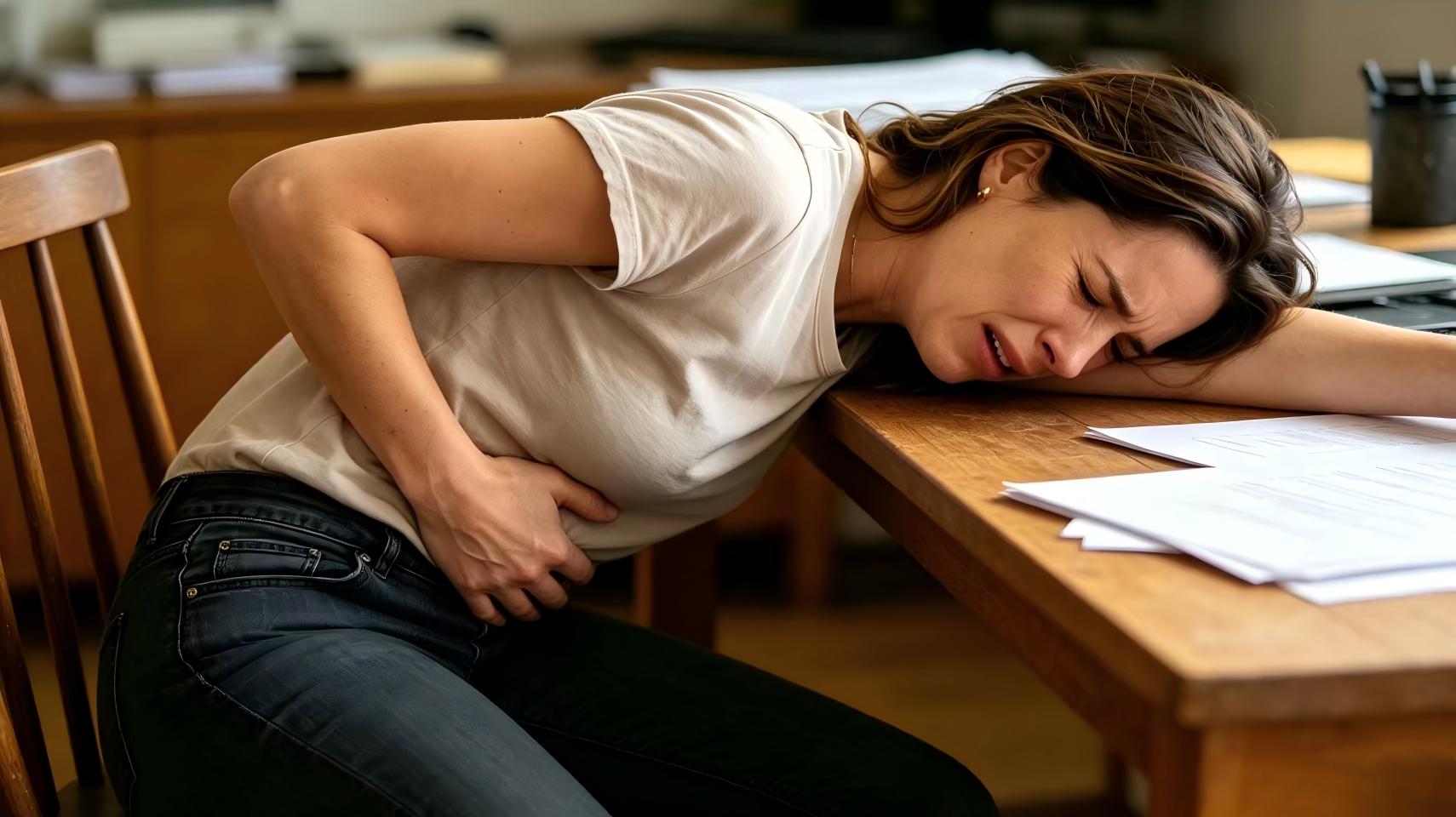
You finish a meal. The food was good. The portions were reasonable. And yet, something feels off. Your stomach feels unsettled. Your abdomen feels tight. You feel heavy, bloated, or just vaguely uncomfortable—and you are not entirely sure why.
If this sounds familiar, you are not alone. Many people experience a sense of discomfort after eating, even when they have not overeaten. The sensation can range from mild unease to significant distress, and it can affect how you feel for the rest of the evening.
The good news is that post-meal discomfort is rarely random. It is your body sending you signals. Once you understand what those signals mean, you can take steps to address them.
What Does "Uncomfortable After Eating" Actually Mean?
Post-meal discomfort is a broad term that can describe a variety of sensations. For some people, it feels like a heavy weight sitting in their stomach. For others, it is a sharp or burning sensation in the chest or upper abdomen. Some people experience bloating that makes their clothes feel tight. Others feel nauseous or overly full.
These sensations can appear immediately after eating or may take an hour or two to develop. They can last anywhere from a few minutes to several hours.

The experience is personal. The sensation itself is a combination of physical signals from your digestive system and your nervous system's response to them. Recognizing the pattern can help you pinpoint the cause.
Seven Common Causes of Discomfort After Eating
1. Eating Too Much or Too Quickly
This is the most common cause of post-meal discomfort. When you eat a large meal, your stomach expands beyond its normal capacity. This stretching can trigger feelings of fullness and pressure. When you eat too quickly, you swallow extra air, which contributes to bloating.
The combination of overeating and eating quickly can also overwhelm your digestive system, leading to slow digestion and fermentation in the gut.
2. Excess Stomach Acid
Sometimes, discomfort after eating is caused by acid reflux or heartburn. This occurs when stomach acid flows back into the esophagus, creating a burning sensation in the chest or throat. Certain foods—like spicy dishes, citrus, tomatoes, and fried foods—can trigger this reaction.
Occasional acid reflux is common, but if it happens frequently, it may indicate a more significant underlying issue, such as gastroesophageal reflux disease (GERD).
3. Gas and Bloating
Gas is a natural byproduct of digestion, but some foods produce more gas than others. Beans, cruciferous vegetables (broccoli, cabbage, and cauliflower), onions, and dairy products are common culprits. Your gut bacteria ferment these foods, creating gas that can cause pressure, discomfort, and visible distension.
4. Food Intolerances
If your body has difficulty digesting certain foods, discomfort often follows. Lactose intolerance, gluten sensitivity, and FODMAP intolerance are common examples. The symptoms can range from mild bloating to significant abdominal pain.
5. Slow Digestion
When food moves through your digestive system more slowly than it should, it can create a sense of heaviness and fullness. This can happen for various reasons, including low stomach acid, insufficient digestive enzymes, or simply the natural variation in how different bodies process food.
6. Gallbladder Issues
The gallbladder releases bile to help digest fats. If you experience discomfort after eating fatty foods—especially a sharp or cramping pain in your upper right abdomen—it could be a sign of gallbladder problems.
7. Stress and Anxiety
Your digestive system is highly sensitive to your emotional state. When you are stressed or anxious, your body diverts energy away from digestion, which can lead to discomfort. The gut-brain connection means that what you feel emotionally can directly affect how your digestive system functions.
What Foods Are Most Likely to Cause Discomfort?
Certain foods are more likely to trigger post-meal discomfort. Common offenders include:
High-fat foods: These take longer to digest and can trigger acid reflux or gallbladder symptoms
Spicy foods: Can irritate the stomach lining and worsen heartburn
Acidic foods: Citrus fruits, tomatoes, and vinegar can trigger acid reflux
Dairy: For those with lactose intolerance, dairy can cause gas, bloating, and discomfort
Cruciferous vegetables: Broccoli, cabbage, and cauliflower produce gas during digestion
Beans and legumes: Known for their gas-producing properties
Carbonated drinks: Introduce extra gas directly into the digestive tract
Processed and fried foods: Often high in both fat and salt, which can slow digestion and cause water retention

What Should I Avoid Eating to Prevent Stomach Discomfort?
To minimize the risk of feeling uncomfortable after eating, it may help to avoid common triggers such as high-fat and fried foods, carbonated beverages, and gas-producing vegetables like broccoli and beans. If you are sensitive to dairy or gluten, reducin
g or eliminating these can also significantly improve your comfort after meals.
Eight Ways to Reduce Discomfort After Eating
1. Slow Down and Chew Thoroughly
One of the simplest and most effective changes you can make is to eat more slowly. Aim for 20 to 30 chews per bite. This reduces the air you swallow, gives your brain time to register fullness, and gives your digestive system a head start on breaking down food.
2. Keep Portions Moderate
Large meals overwhelm your digestive system. Keeping portions moderate gives your body the time and capacity it needs to process food effectively.
3. Stay Upright After Eating
Lying down immediately after eating can trigger acid reflux and slow digestion. Try to stay upright for at least two to three hours after a meal. This simple habit can significantly reduce discomfort.
4. Take a Gentle Walk
A short, gentle walk after eating can help stimulate digestion and relieve pressure. Aim for 10 to 15 minutes of light movement—not a vigorous workout, which can actually make discomfort worse.
5. Identify Your Trigger Foods
Keep a simple food diary. Write down what you ate and how you felt afterward. Over time, patterns will emerge. If certain foods consistently cause discomfort, try reducing or eliminating them for a few days to see if your symptoms improve.
6. Stay Hydrated—But Strategically
Drinking water throughout the day supports digestion. Sip water before, during, and after meals to help your body break down food. Avoid chugging large amounts with your meal, as this can dilute digestive enzymes.
7. Manage Your Stress
Because stress can directly affect digestion, finding ways to manage it can help reduce post-meal discomfort. Simple practices like deep breathing, taking a few minutes to sit quietly after eating, or eating in a calm environment can make a difference.
8. Create a Post-Meal Ritual
One of the most effective ways to reduce post-meal discomfort is to create a simple transition between dinner and the rest of your evening. This could be a short walk, sitting upright for a while, or enjoying a warm cup of something that supports digestion.
For those moments when you want something warm and grounding, Rivan's post-meal blend combines traditional botanicals like Amomum villosum and aged tangerine peel to support digestive comfort and help you ease into a calm evening.

👉 Explore Rivan's post-meal ritual here
When to See a Doctor
Occasional discomfort after eating is normal and nothing to worry about. However, you should consult a healthcare provider if you experience:
Persistent or severe discomfort that does not improve with lifestyle changes
Discomfort accompanied by significant abdominal pain, unexplained weight loss, or changes in bowel habits
Symptoms that interfere with your daily activities or sleep
Heartburn or acid reflux that occurs more than twice a week
These could indicate an underlying condition such as GERD, gallbladder disease, food intolerances, or other gastrointestinal disorders.
A Better Way to End Your Meal
If you are tired of ending your meals feeling heavy, uncomfortable, or just not quite right, it might be time to rethink what happens after you eat. A thoughtful post-meal routine can make a real difference. Instead of collapsing on the couch or reaching for your phone, consider creating a small moment of transition. Something that allows your body to digest properly and your mind to unwind.
Start with something simple. A warm cup of something soothing. A few minutes of stillness. A short walk around the block. Small changes often lead to the biggest improvements.
If you are curious about what a curated post-meal ritual looks like, Rivan Ritual offers a blend crafted specifically for this moment.
👉 Learn more about Rivan's post-meal blend here
This article is for informational purposes only and does not constitute medical advice. Always consult with a qualified healthcare provider regarding any digestive concerns.
Continue Reading
If you found this article helpful, you might also enjoy these related posts:
Why Am I Bloated After Dinner? – Seven common causes and how to find relief tonight.
Why Do I Feel Bloated Every Night? – Six common causes and how to break the cycle.
What Is a Post-Meal Ritual? – And why it matters more than you think.
Frequently Asked Questions
Why do I feel uncomfortable after eating even when I haven't overeaten?
Discomfort can occur even with moderate portions. Causes include eating too quickly, food intolerances, acid reflux, or slow digestion. Pay attention to what you ate and how you felt to identify patterns.
What causes stomach discomfort after eating?
Common causes include overeating, eating too quickly, acid reflux, gas-producing foods, food intolerances, and stress. Identifying your specific triggers is the first step toward finding relief.
What foods should I avoid to prevent discomfort?
High-fat and fried foods, carbonated beverages, cruciferous vegetables like broccoli and c
abbage, beans and legumes, and acidic foods like citrus and tomatoes are common triggers. If you are sensitive to dairy or gluten, those may also contribute.
How can I stop feeling uncomfortable after eating?
Try eating more slowly, keeping portions moderate, staying upright for 2–3 hours after a meal, taking a short walk, and avoiding your trigger foods. Managing stress and creating a calm post-meal ritual can also help.
What should I do if I feel uncomfortable after eating right now?
Stay upright, take a short gentle walk, sip warm water or herbal tea slowly, and avoid lying down. Gentle movement and warmth can help soothe your digestive system and relieve discomfort.
How can I reduce stomach discomfort after eating naturally?
Start with lifestyle changes like eating more slowly, keeping portions moderate, staying upright after meals, and taking gentle walks. Drinking warm herbal teas and avoiding trigger foods can also make a significant difference.
Is it normal to feel uncomfortable after every meal?
Occasional discomfort is normal, but if it happens after every meal, it is worth paying attention to. Persistent symptoms may indicate an underlying issue that could benefit from medical evaluation.
Can stress cause discomfort after eating?
Yes. Stress diverts energy away from digestion and can lead to symptoms like bloating, gas, and abdominal discomfort. Managing stress—through deep breathing, mindfulness, or simply eating in a calm environment—can help.
How long should I wait to lie down after eating?
Aim to wait at least 2–3 hours after a meal before lying down. This allows your stomach time to empty and reduces the risk of acid reflux and discomfort.
When should I see a doctor for discomfort after eating?
Consult a healthcare provider if you experience persistent or severe discomfort, significant pain, unexplained weight loss, changes in bowel habits, or frequent heartburn that occurs more than twice a week.
Build Your Evening Ritual
Discover how a simple post-meal ritual can help you feel more comfortable after eating and create more intentional evenings.
Comment